
Understanding Elizabeth Warren's Concerns: Bitcoin's Role in Fentanyl Trade


Table Of Content
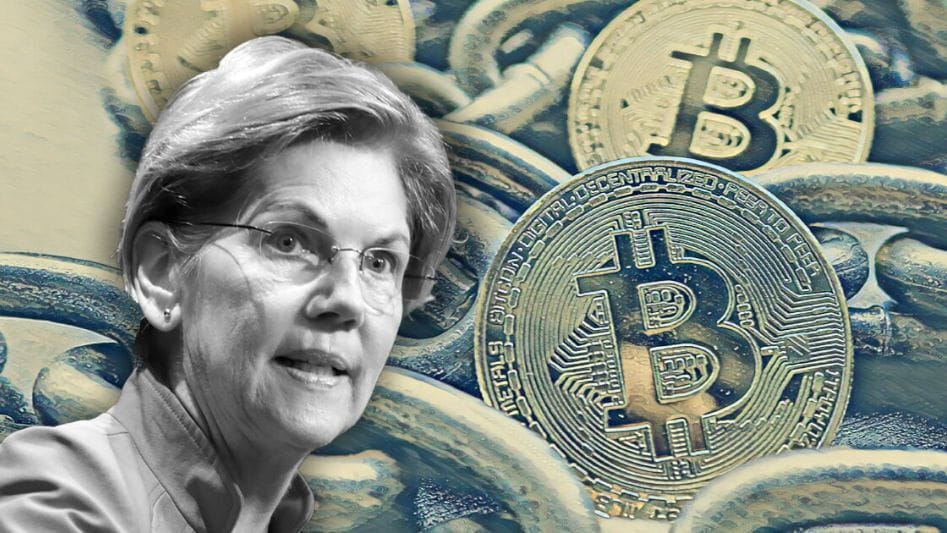
Elizabeth Warren, the U.S. Senator from Massachusetts, has been a vocal critic of Bitcoin and other cryptocurrencies. Her concerns stem from the potential misuse of these digital currencies in illegal activities, particularly the fentanyl trade. Fentanyl, a potent synthetic opioid, has been a significant contributor to the opioid crisis in the United States. Warren's apprehensions about Bitcoin's role in this crisis have sparked a broader conversation about the regulation and control of cryptocurrencies. This article aims to delve into the nuances of this issue, providing a balanced perspective on the matter, and exploring the intersection of cryptocurrencies, regulation, and illicit activities.

Elizabeth Warren's Stance on Bitcoin
Warren has consistently expressed her concerns about the lack of regulation in the cryptocurrency market. She believes that this lack of oversight could lead to consumer exploitation and illicit activities. Her criticisms are not unfounded, as the decentralized nature of cryptocurrencies does make them susceptible to misuse. She has specifically highlighted the use of Bitcoin in the fentanyl trade, a potent and often deadly opioid. This concern is particularly relevant given the ongoing opioid crisis in the United States, which has been exacerbated by the easy availability and high potency of fentanyl.
Bitcoin and Anonymity
Bitcoin, like other cryptocurrencies, operates on a decentralized network. This means there is no central authority or government overseeing transactions. This structure provides a certain level of anonymity to users, making it an attractive option for those wishing to operate outside of traditional financial systems. However, it's important to note that Bitcoin transactions are not entirely anonymous. Each transaction is recorded on a public ledger known as the blockchain. While the identities of the parties involved are not directly attached to these transactions, they can potentially be traced through sophisticated analysis. This pseudo-anonymity is a double-edged sword, providing privacy for legitimate users while also offering a veil of secrecy for those engaged in illicit activities.
The Fentanyl Trade and Bitcoin
Fentanyl, a synthetic opioid, is 50 to 100 times more potent than morphine. It has been linked to a significant number of overdose deaths in the U.S. The drug is often manufactured in other countries, such as China, and then smuggled into the U.S. The role of Bitcoin in this trade is a matter of concern. Dealers may use Bitcoin to purchase fentanyl from overseas manufacturers, believing that these transactions will be more difficult for authorities to trace than traditional financial transactions. This has led to a situation where an already dangerous drug is being made more accessible through the use of modern technology, exacerbating the crisis.

The Scale of the Problem
While it's true that Bitcoin has been used in illicit activities, including the fentanyl trade, it's important to put the scale of this problem into perspective. According to a study by the blockchain analytics firm Chainalysis, illicit activity represented just 0.34% of all cryptocurrency transaction volume in 2020. This suggests that the vast majority of Bitcoin use is for legitimate purposes. However, even this small percentage represents a significant amount of money, and the human cost of the fentanyl trade makes it a serious concern. It's also worth noting that the actual scale of illicit activity could be higher, as not all such transactions are necessarily detected.
The Regulatory Response
In response to concerns like those raised by Warren, there has been a push for more regulation in the cryptocurrency space. This includes measures to improve the transparency of Bitcoin transactions and to crack down on illicit activities. For example, cryptocurrency exchanges are now required to perform Know Your Customer (KYC) checks, which involve verifying the identity of their users. This is a significant step towards reducing the anonymity that makes cryptocurrencies attractive for illicit activities. However, implementing these regulations on a global scale is a complex task, given the decentralized nature of cryptocurrencies and the differing regulatory environments across countries.
Conclusion
While Elizabeth Warren's concerns about Bitcoin's role in the fentanyl trade are not unfounded, it's important to consider the broader context. The use of Bitcoin in illicit activities is a small fraction of overall transaction volume, and steps are being taken to further reduce this. Moreover, the potential benefits of Bitcoin and other cryptocurrencies, such as financial inclusion and resistance to censorship, should not be overlooked. As with any emerging technology, finding the right balance between regulation and innovation will be key. The challenge lies in harnessing the potential of cryptocurrencies while mitigating their risks, a task that will require cooperation and dialogue between regulators, the cryptocurrency community, and other stakeholders.
FAQ
What are Elizabeth Warren's concerns about Bitcoin?
Elizabeth Warren, U.S. Senator, has expressed concerns about the potential misuse of Bitcoin in illegal activities, particularly the fentanyl trade. She believes the lack of regulation in the cryptocurrency market could lead to consumer exploitation and illicit activities.
How does Bitcoin's anonymity contribute to the fentanyl trade?
Bitcoin operates on a decentralized network, providing a certain level of anonymity to users. This makes it an attractive option for those wishing to operate outside of traditional financial systems, including those involved in the fentanyl trade. However, Bitcoin transactions are not entirely anonymous and can potentially be traced.
What is the scale of Bitcoin's involvement in illicit activities?
According to a study by Chainalysis, illicit activity represented just 0.34% of all cryptocurrency transaction volume in 2020. However, even this small percentage represents a significant amount of money, and the human cost of the fentanyl trade makes it a serious concern.
What is the regulatory response to these concerns?
In response to concerns like those raised by Warren, there has been a push for more regulation in the cryptocurrency space. Measures include improving the transparency of Bitcoin transactions and cracking down on illicit activities. For example, cryptocurrency exchanges are now required to perform Know Your Customer (KYC) checks.