
The Essential Guide to Crypto Wallets

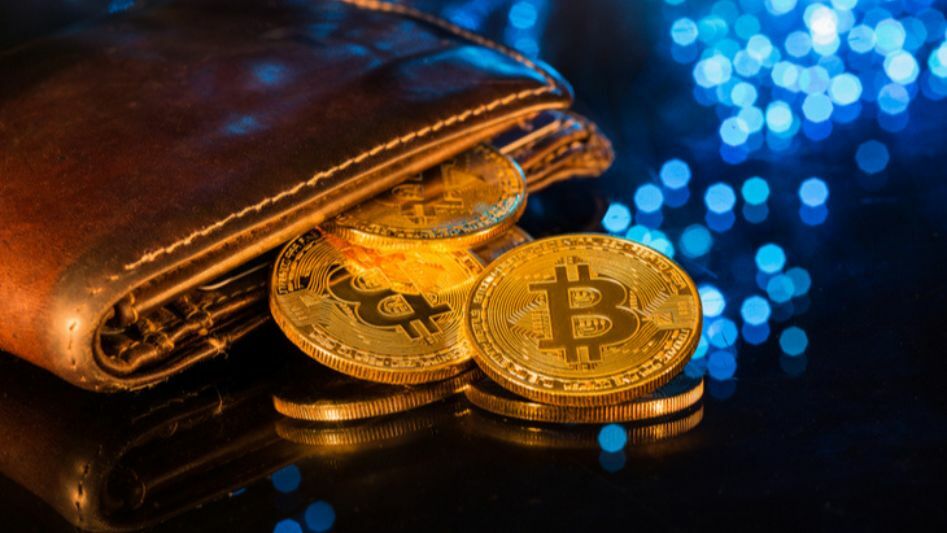

If you are currently a holder, you undoubtedly are aware that one of the most effective approaches to comprehend cryptocurrency is to really use it. The initial steps, such as purchasing some Bitcoin or Ethereum through an exchange such as Coinbase, are straightforward. However, if you want to go beyond the fundamentals and earn yield on your cryptocurrency with DeFi or buy an NFT, you will need to educate yourself on a central concept and tool, which is the cryptocurrency wallet, also known as your key to the wider world of cryptocurrency. In this special edition of Bytes (and don't forget to check back on Wednesday for our regularly scheduled news update! ), we will go through the fundamentals that are required to get started. Let's dig in.
The most common varieties of cryptocurrency wallets are broken out below. There are a few distinct types of cryptocurrency wallets, which we will briefly go over here.
What differentiates Coinbase and its wallet service, Coinbase Wallet? The first is an exchange, and the second is your key to accessing DeFi, NFTs, and other cryptocurrencies and tokens.
What you are able to do with a cryptocurrency wallet. A rundown of some of the most popular non-fungible token (NFT), decentralized exchange (DeFi), and gaming applications that can be accessed via a wallet.
DEFINING TERMS
The term "wallet" may refer to a variety of things in the cryptocurrency world; the following are some of the most common usages.
Let's get straight down to business and talk about something: The word "wallet" in the realm of cryptocurrency might be a little bit confusing due to the fact that it can have multiple different implications depending on what it is that you are attempting to perform. In spite of the fact that we are going to devote the most of our attention to the "self-custody" category (which includes products such as the Coinbase Wallet), here is a brief rundown of some of the most prevalent categories:
Why it is significant. A self-custody wallet is advantageous for more than just ensuring that you retain control of your private keys. A self-custody wallet is your passport to the full world of decentralized crypto programs (also known as dapps), which has arisen over the course of the last few years — in much the same way that a web browser is your entrance to the internet. This is perhaps an even more important reason why you should use a self-custody wallet. For example, the Coinbase Wallet supports tens of thousands of assets and a number of different blockchain networks. And Coinbase Wallet's mobile app and browser extension make it possible for you to explore the expanding world of Web3: decentralized finance (also known as DeFi), non-fungible tokens (NFTs), and staking, among other things.

NAME GAME
What do you mean the Coinbase Wallet is a separate product from the standard Coinbase app?
Yep! When you create an account on Coinbase with the intention of buying cryptocurrency, we will immediately offer you with a hosted cryptocurrency wallet that is capable of keeping your assets secure. You also have the option to construct a self-custody cryptocurrency wallet, such as the one provided by Coinbase, which puts you in complete command of both your private keys and your assets. After that, you will have the option to deposit any digital currency that you have purchased using your Coinbase account into your Coinbase Wallet. Let's take a more in-depth look at:
Why it is significant. Coinbase Wallet can, in a manner analogous to that which web browsers did for the internet's promise, unlock that potential for the coming internet that is decentralized and sometimes referred to as Web3. The Coinbase Wallet also allows you ultimate control over your cryptocurrency by enabling you to store a broad variety of cryptocurrencies and NFTs in a single location. Furthermore, it gives you access to a wide number of popular cryptocurrency applications, such as decentralized exchanges such as Uniswap, lending protocols such as Compound, and games such as Decentraland.
SECURITY SPOTLIGHT
Safeguard your crypto by keeping a close eye on your recovery phrase.
When you set up a Coinbase Wallet, you’ll be given an algorithmically-generated string of 12 basic words. This is a recovery phrase, which is also often referred to as a seed phrase. Coinbase is able to assist you in recovering the password for your Coinbase-hosted wallet if you have misplaced it and are using the main Coinbase app. But if you lose the recovery phrase for your Coinbase Wallet, you will lose all of your cryptocurrency permanently; thus, you should be careful to keep it secure.
You should at the very least write down your recovery phrase and save copies of it in more than one spot (ideally in secure places like a safety deposit box). You can also store an encrypted duplicate of your recovery phrase in the cloud by using the Coinbase Wallet mobile app in conjunction with iCloud or Google Drive. You may increase your holdings' security level by enabling PIN codes and biometric security using the mobile app for the Coinbase Wallet as well as password protection with the Chrome extension.
Keep in mind that as long as you possess your recovery phrase, you will have access to your crypto. You can still access your cryptocurrency even if you lose your phone or destroy your hardware wallet; all you have to do is input the recovery phrase that was provided to you into a new wallet.

UPCOMING ACTIONS
What am I able to do with the Coinbase Wallet?
Buy an NFT
The market for NFTs is now worth $17 billion. If you want to purchase, sell, or mint them, you'll need a self-custody wallet like as the Coinbase Wallet. This kind of wallet enables you to go to different blockchains, interact with NFT exchanges such as OpenSea, and start purchasing or bidding for NFTs.
Decentralized exchanges allow users to trade hundreds of different coins.
With Coinbase Wallet, you have access to a wide variety of decentralized exchanges, also known as DEXs, such as Uniswap and Sushiswap. These DEXs give you the ability to trade hundreds of thousands of cryptocurrencies, including a number of coins that aren't listed on the centralized Coinbase exchange.
Cryptographic links between several blockchains
Investigating low-fee blockchains like Avalanche and Polygon is a great approach to start getting your mind around cryptocurrency applications and save money on transaction fees at the same time. You may get started by "bridging" cryptocurrency that is housed on one blockchain (like Ethereum's) to another blockchain (of your choosing).
Gain advantages by participating in DeFi protocols.
You can navigate apps such as Aave that enable you to lend your cryptocurrency to other users in exchange for interest, borrow cryptocurrency directly from other people, or even take out loans against some of your NFTs using decentralized applications (dapps) such as NFTfi. All of these options are available to you.
Try your hand at a crypto game (and potentially earn some rewards)
Games such as Defi Kingdoms have millions of users and have developed their own fully functional markets and reward systems. These features enable the most dedicated players actually to earn money as they play the game.
Before attaching your wallet, you should always conduct some research beforehand.
The possibilities of decentralized banking are really remarkable; but, with every new technology comes inherent dangers and potential for fraud. Before you link your wallet, make sure you have done extensive research on any dapp, protocol, NFT project, or game you want to use. Also, use decentralized applications (dapps) as much as you can that have verifiably audited smart contracts, if at all feasible.