Serial Entrepreneur Sparks Debate: Is Bitcoin Really Pointless?

In the dynamic and often polarized world of cryptocurrency, Bitcoin stands as a symbol of both groundbreaking innovation and contentious debate. The recent remarks by Nick Huber, a serial entrepreneur known for his incisive business acumen, have reignited a longstanding debate about the intrinsic value and practical utility of Bitcoin. Huber's assertion that Bitcoin is nonsensical has not only stirred a hornet's nest within the cryptocurrency community but also compels us to revisit and critically assess the foundational principles and long-term viability of Bitcoin. This article aims to dissect this complex debate, exploring the multifaceted arguments and perspectives that surround Bitcoin, in an effort to shed light on its true significance in today's digital age.
Table Of Content
Understanding Bitcoin's Purpose and Potential
The genesis of Bitcoin in 2009 was more than just the creation of a new currency; it represented a paradigm shift in the concept of money. As the first decentralized digital currency, Bitcoin was envisioned as an alternative to traditional, centralized financial systems. Its underlying blockchain technology promised a new era of transparency, security, and efficiency in financial transactions, challenging the status quo of monetary exchange. Over the years, Bitcoin has evolved from an underground digital experiment to a major financial asset class, drawing attention from diverse sectors including investors, technologists, and regulators. Understanding Bitcoin's foundational purpose is key to unraveling the debate around its value, as it encapsulates the aspirations and challenges of creating a truly decentralized and global financial system.
The Argument for Bitcoin
Proponents of Bitcoin often present a multifaceted case for its value. One of the most compelling arguments is Bitcoin's potential as an inflation hedge. Unlike fiat currencies, which can be subject to devaluation through inflation, Bitcoin's capped supply of 21 million coins presents a stark contrast, offering a deflationary characteristic that is attractive to those wary of traditional monetary policies. Additionally, Bitcoin's decentralized nature is heralded as a revolutionary step towards democratizing financial access. This aspect is particularly poignant in regions where banking infrastructure is inadequate or in countries with unstable currencies, where Bitcoin can offer a more stable and accessible alternative.
Criticism and Skepticism
Despite its potential, Bitcoin faces significant criticism and skepticism, primarily centered around its volatility and environmental impact. The price of Bitcoin is known for its dramatic fluctuations, which raises questions about its practicality as a stable store of value or a medium of exchange. This volatility is often attributed to speculative trading and the relatively nascent market of cryptocurrencies. Furthermore, the environmental concerns associated with Bitcoin mining, which requires significant energy consumption, add to the apprehensions about its sustainability. Regulatory uncertainties and the potential for misuse in illegal activities also contribute to the skepticism surrounding Bitcoin, painting it as a potentially risky and unstable investment.
Nick Huber's Perspective and the Crypto Community's Response
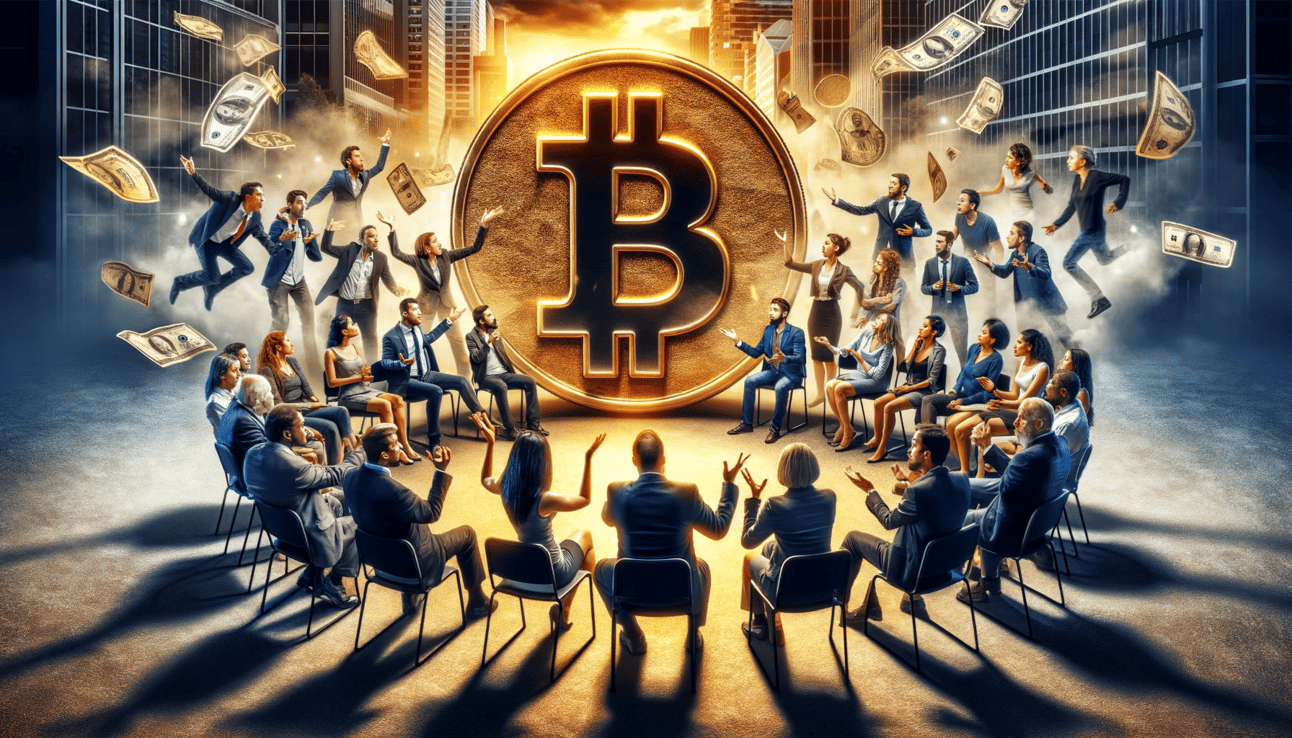
Nick Huber's critique of Bitcoin is grounded in his experience in traditional business and investment strategies. His cautious approach reflects a broader skepticism among certain investors and business leaders regarding the tangible value and long-term sustainability of cryptocurrencies. The cryptocurrency community's response to Huber's comments has been diverse, ranging from thoughtful discussions about Bitcoin's potential as a financial asset to criticisms of his understanding of the technology. This discourse highlights the deeply polarized views on Bitcoin and underscores the complexity of the cryptocurrency ecosystem.
The Bigger Picture: Bitcoin in the Global Financial System
The debate surrounding Bitcoin transcends its market valuation or technological innovation. It touches upon fundamental questions about the future of money, the role of decentralized systems in the global economy, and the balance between innovation and regulation. Bitcoin challenges traditional financial models, raising important questions about monetary policy, privacy, and individual financial autonomy. As the world navigates these issues, Bitcoin's role – whether as a transformative force or a speculative phenomenon – remains a topic of intense debate and speculation.
Conclusion
In conclusion, the discourse on Bitcoin's utility and value is intricate and multi-layered. Nick Huber's comments have not only sparked renewed debate but also underscore the necessity for ongoing critical analysis and understanding of Bitcoin and its role in the evolving financial landscape. The future of Bitcoin, whether as a foundational element of a new financial paradigm or as a lesson in the limits of digital innovation, is still being written. What remains clear is that the conversation around Bitcoin is far from concluded, and its progression will continue to captivate and challenge observers and participants alike in the years ahead.
FAQs
What was Nick Huber's statement about Bitcoin?
Nick Huber, a serial entrepreneur, sparked a debate by stating that "Bitcoin doesn't make any sense at all to me," challenging the perceived value and utility of Bitcoin.
Why do some people view Bitcoin as valuable?
Bitcoin is seen as valuable due to its potential as a hedge against inflation, its decentralized nature, and its ability to provide financial services to unbanked or underbanked populations.
What are the main criticisms of Bitcoin?
The main criticisms include its high volatility, environmental impact due to energy-intensive mining processes, regulatory uncertainties, and concerns about its use in illegal activities.
How does Bitcoin's fixed supply affect its value?
Bitcoin's fixed supply of 21 million coins is believed to protect it against inflation and devaluation, unlike fiat currencies that can be printed without limit.
Can Bitcoin be considered a stable store of value?
Opinions vary. Some argue that Bitcoin's price volatility challenges its role as a stable store of value, while others believe its long-term appreciation potential outweighs short-term fluctuations.
VISIT OUR STORE

The Best Merch For Bitcoin Maxis
Visit Crox Road Store 👉🏻 https://croxroad.store/