
⚡Satoshi Nakamoto Unmasked❓


☕️ GM Dear Plebs!
Here is Crox Road, your daily dose of orange pill that will turn you into a Bitcoin Maxi.
The menu for today:
🎭 Satoshi Nakamoto Mystery
A new theory has surfaced, questioning whether Twitter co-founder and Bitcoin advocate Jack Dorsey could actually be Satoshi Nakamoto, the elusive creator of Bitcoin. While Dorsey has long expressed admiration for Bitcoin, even integrating it into his ventures, the theory suggests that his deep understanding of the technology, early support, and philosophical alignment with decentralization might hint at a hidden connection. Though speculative, such claims add to the long-standing mystery of Satoshi’s true identity, fueling debate within the crypto community.
Dorsey has repeatedly emphasized Bitcoin’s importance, calling it the best candidate for a native internet currency. His company, Block (formerly Square), has invested heavily in Bitcoin development, further solidifying his role as a key figure in the space. However, supporters of this theory argue that his technical expertise, writing style, and long-time engagement with cryptographic principles align with those found in Satoshi’s early writings. While no direct proof links him to the Bitcoin whitepaper, the idea sparks curiosity, much like past claims involving figures like Hal Finney, Nick Szabo, and Craig Wright.
Despite the intrigue, the likelihood of Dorsey being Satoshi remains slim. Dorsey himself has never hinted at such a possibility, and his public profile contrasts with Satoshi’s deliberate anonymity. Furthermore, the nature of Bitcoin’s launch—dispersed, open-source, and gradually decentralized—suggests a different kind of creator, one less inclined toward media attention. Whether Dorsey is Satoshi or not, the speculation highlights Bitcoin’s enduring enigma and the fascination with uncovering the identity of its creator.
🇺🇸 Bitcoin's Historic Highs
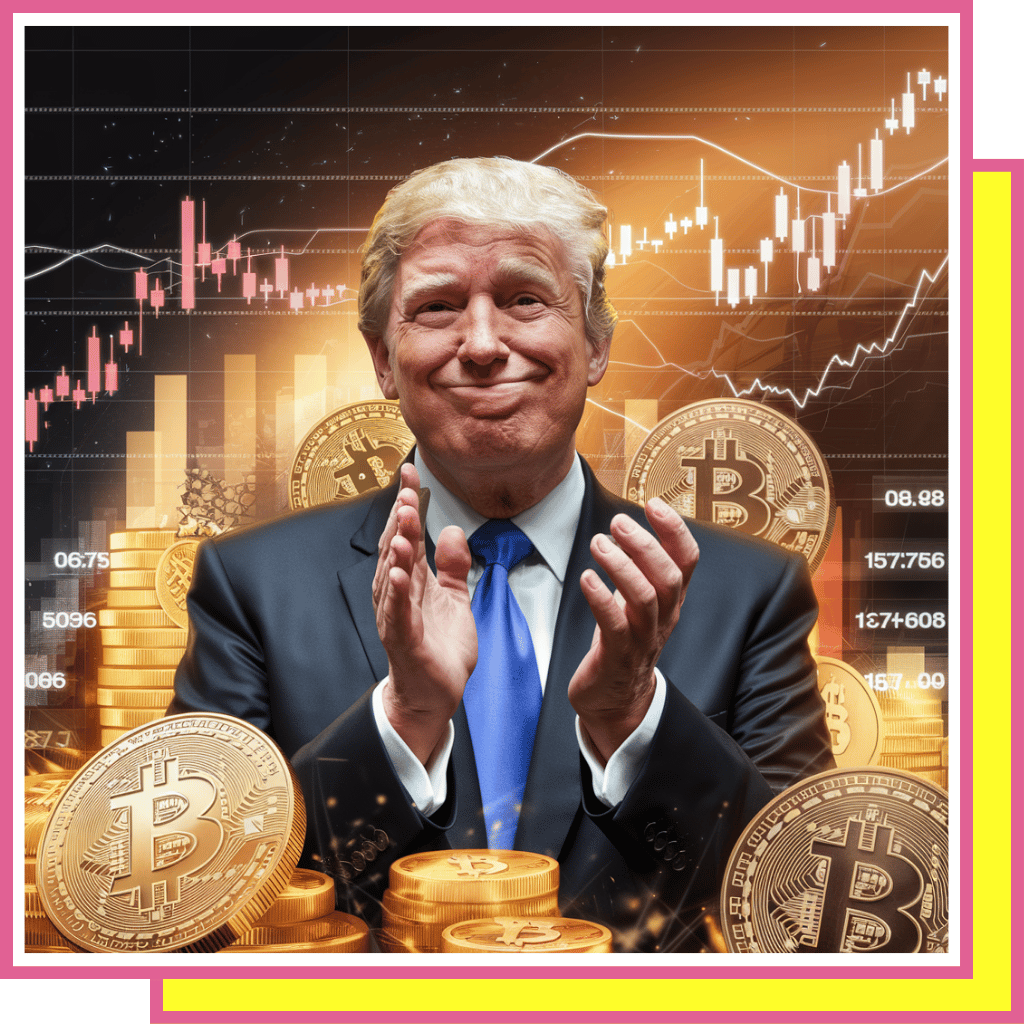
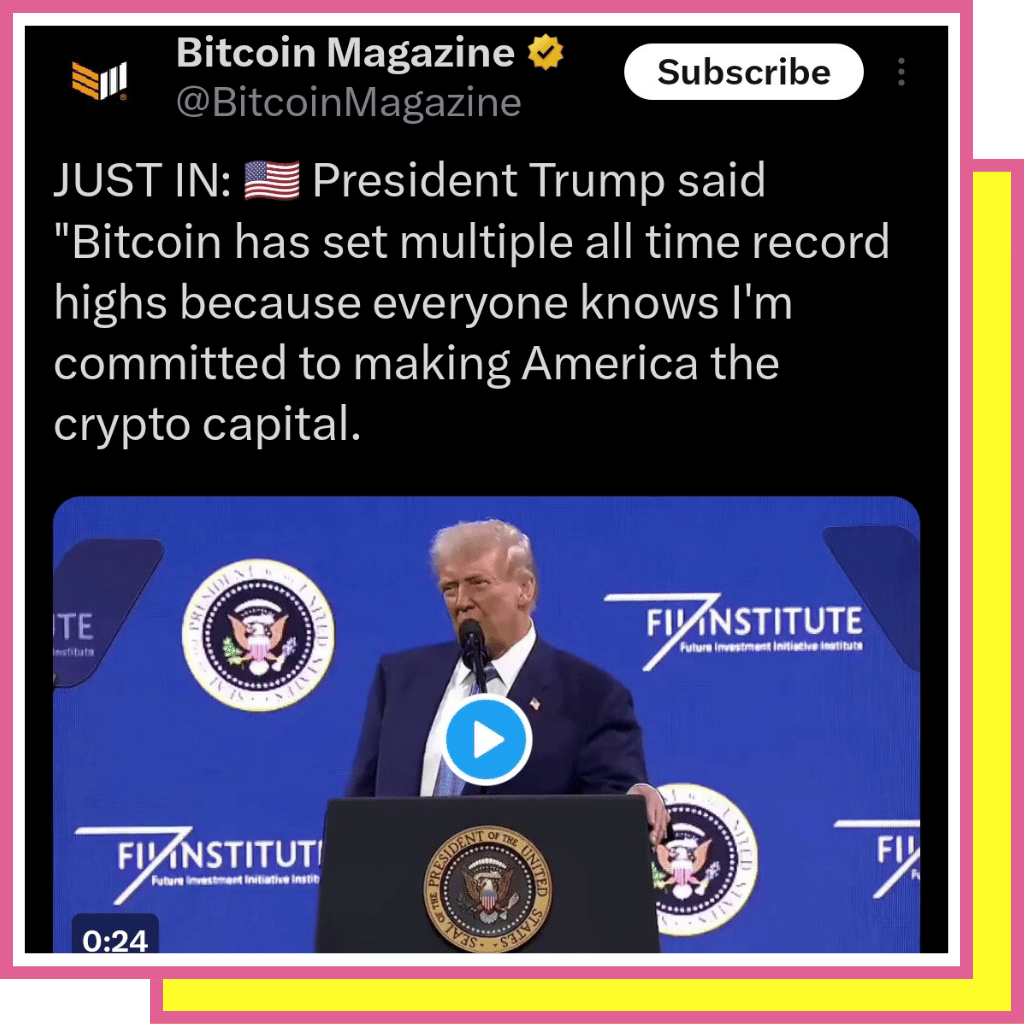
Former U.S. President Donald Trump has claimed that Bitcoin’s recent price surge is a direct result of his pro-crypto policies. As Bitcoin reached new all-time highs, Trump credited his administration’s stance on cryptocurrency for fostering an environment conducive to Bitcoin’s growth. While he was previously skeptical of digital assets, his recent statements suggest a strategic shift, possibly aimed at appealing to a growing base of crypto-enthusiastic voters ahead of the upcoming elections. This shift highlights how Bitcoin is increasingly becoming a political talking point, with leaders attempting to align themselves with the industry’s rapid expansion.
Trump’s claim comes at a time when regulatory clarity remains a key issue in the U.S. crypto market. His pro-business stance, combined with a push for reduced financial regulations, might have indirectly contributed to Bitcoin’s bullish momentum. Investors often react to political narratives, and Trump's vocal support could be a confidence booster for institutions and retail traders alike. However, it’s important to note that Bitcoin’s price movements are influenced by multiple factors, including institutional adoption, macroeconomic trends, and market cycles. While Trump’s endorsement may generate headlines, attributing Bitcoin’s rise solely to his influence overlooks the broader economic and technological landscape driving its adoption.
Regardless of whether Trump’s policies directly impacted Bitcoin’s price, his acknowledgment of its success marks a notable change in political discourse. Cryptocurrency, once dismissed as a fringe financial experiment, is now a central topic in policy debates, with both major parties weighing its implications. If Trump or any future leader actively integrates Bitcoin-friendly policies into their economic strategy, it could reshape the regulatory framework and further legitimize digital assets on a global scale. However, as with any political statement, it’s crucial for investors and crypto enthusiasts to differentiate between rhetoric and actionable policy changes that may truly affect the industry’s long-term trajectory.
🏘️ The First Halving Was Barely Noticed
The first Bitcoin halving occurred on November 28, 2012, reducing the block reward from 50 BTC to 25 BTC. Unlike today's highly anticipated halvings, it received little media attention, and its impact on price was not immediate. At the time, Bitcoin was still a niche asset, primarily used by early adopters and tech enthusiasts. However, in the following months, Bitcoin’s price began a significant upward trend, eventually proving the halving’s long-term effect on supply and demand. This event set the stage for future halvings to become major market catalysts.

🤣 Crox Road Memes


“The first halving went largely unnoticed, but it was the first real test of Bitcoin’s economic model.”

For More Merch Visit Our Store Here 👉🏻 https://croxroad.store/