⚡Coinbase's Spanish Expansion🥰

☕️ GM Dear Plebs!
Here is Crox Road, your daily dose of orange pill that will turn you into a Bitcoin Maxi.
The menu for today:
🇪🇸 Coinbase Opens Doors in Spain
Coinbase, the big cryptocurrency company, just got the green light from the Bank of Spain. This means they're now officially recognized as a crypto exchange in Spain.
In a blog post they made on a Friday, they talked about how they're expanding their operations across Europe. Specifically, they're now open for business in Spain. This is good news for Spanish folks because they can use Coinbase to safely store their digital money, like Bitcoin, and also to buy and sell cryptocurrencies using the euro.
The important part here is that getting registered with the Bank of Spain is a big deal. It means that Coinbase can now offer all their services to regular people and big companies in Spain while following all the country's rules and laws about money and crypto. So, it's a win-win for Coinbase and the people who want to use their platform in Spain.
In the last year, Coinbase has been busy getting the green light to operate in different European countries. They've gotten what's called Virtual Asset Service Provider (VASP) registrations in countries like Italy, Ireland, and the Netherlands.
They didn't stop there; they've also got the go-ahead and launched their services in places like Singapore, Brazil, and Canada.
Nana Murugesan, who's the Vice President of International and Business Development at Coinbase, expressed their excitement about getting registered by the Bank of Spain. This registration means they can now serve regular users, big institutional clients, and even developers in Spain.
It's worth noting that regulations for the crypto industry are becoming clearer in many parts of the world, and Coinbase is pretty happy about that trend. They see it as a positive step forward.
Coinbase made an interesting point in their announcement. They mentioned that around 29% of adults in Spain see cryptocurrencies as the future of finance. It's like they believe that digital currencies are going to play a big role in how we handle money in the future.
Even more interesting is that crypto has become the second most popular way to make payments in Spain, beating out traditional bank transfers. According to research by Bitnovo, about 60.7% of Spanish people are buying cryptocurrencies with a long-term investment in mind, and 35.7% are using them for day-to-day payments.
This news about Coinbase getting registered in Spain follows another crypto exchange, Crypto.com, receiving approval from the Bank of Spain back in June. It's a clear sign that regulatory authorities are paying more attention to the cryptocurrency industry, and people in Spain are increasingly using digital assets for their financial needs. The world of money is definitely changing!
Coinbase has been working hard to expand its presence in Europe, and one notable attempt was reportedly to acquire FTX Europe, a crypto exchange that was no longer operational. This shows Coinbase's commitment to establishing a strong foothold in the European crypto market.
This expansion effort aligns with recent calls for more regulation and oversight in the global crypto market, especially by non-European regulators. The European Parliamentary Research Service (EPRS) has emphasized the need for a stricter regulatory framework in non-European jurisdictions as the Markets in Crypto-Assets Regulation (MiCA) Act is heading toward its implementation deadline in December 2024.
However, it's important to note that not everyone in the crypto industry is thrilled about the MiCA regulation in the European Union. Marina Parthuisot, who is the head of legal at Binance France, has voiced concerns about the potential delisting of stablecoins in Europe due to the upcoming implementation of MiCA. This is causing some legal experts to scramble to understand the implications of this new regulation, which is set to take effect in the coming months. It's a complex and evolving landscape in the world of cryptocurrencies and regulations.
🦾 Bitcoin Overtakes Visa
Bitcoin just did something pretty cool – it handled more transactions than Visa, which is a huge deal. It shows that Bitcoin is becoming more and more popular for moving money around, even though it's not controlled by any central authority. Now, there's this new crypto project called 'Bitcoin Spark,' and it's got people wondering if it can catch the same kind of momentum that Bitcoin has been riding.
Bitcoin came into the picture after the 2008 financial crisis, and it's different because it doesn't rely on traditional banks or middlemen for transactions. That's why it's gaining so much attention globally, even though its price goes up and down a lot. It's proven to be more than just a passing trend.
With cryptocurrencies, you don't have to deal with all those intermediaries. Transactions happen faster, and there's more privacy. This shift toward blockchain-based systems, like Bitcoin, is changing the game.
Bitcoin led the way for other cryptocurrencies, and it's unique because it's not controlled by governments or regular banks. People like that it offers financial independence, and some even call it 'digital gold' because there's a limited supply, and it can protect against economic uncertainties.
Investors, including big institutions, are interested in Bitcoin, and it gets a lot of media attention. You can even use it for online payments, and its technology, blockchain, is inspiring new ideas in different industries. Plus, it could help more people access banking services who couldn't before.
But, a word of caution, Bitcoin's price can be wild and speculative, so it's not for everyone. And now, there's Bitcoin Spark, a fork aiming to make Bitcoin even better, especially in terms of scalability and functionality.
Bitcoin Spark is doing some cool things with its technology. They've got this fancy algorithm called Proof-of-Process that makes crypto mining easier and transactions faster while keeping things secure. They're also all about getting people involved, offering services like CPU rental and advertising to reward users and build a community.
Their app makes mining and participating in the network super simple, which is all about making things more open and decentralized. With these new features and ideas, Bitcoin Spark is catching the attention of crypto fans and investors who are excited to see where it goes in the blockchain world.
They're even having an ICO (Initial Coin Offering) where you can get in at $2.50, and early birds get a 9% bonus. People are hopeful that it will provide a good return on investment when it launches at $10. Plus, they've got their infrastructure all stable and transparent, certified with KYC and smart contract audits to keep things legit.
🐶 DOJI
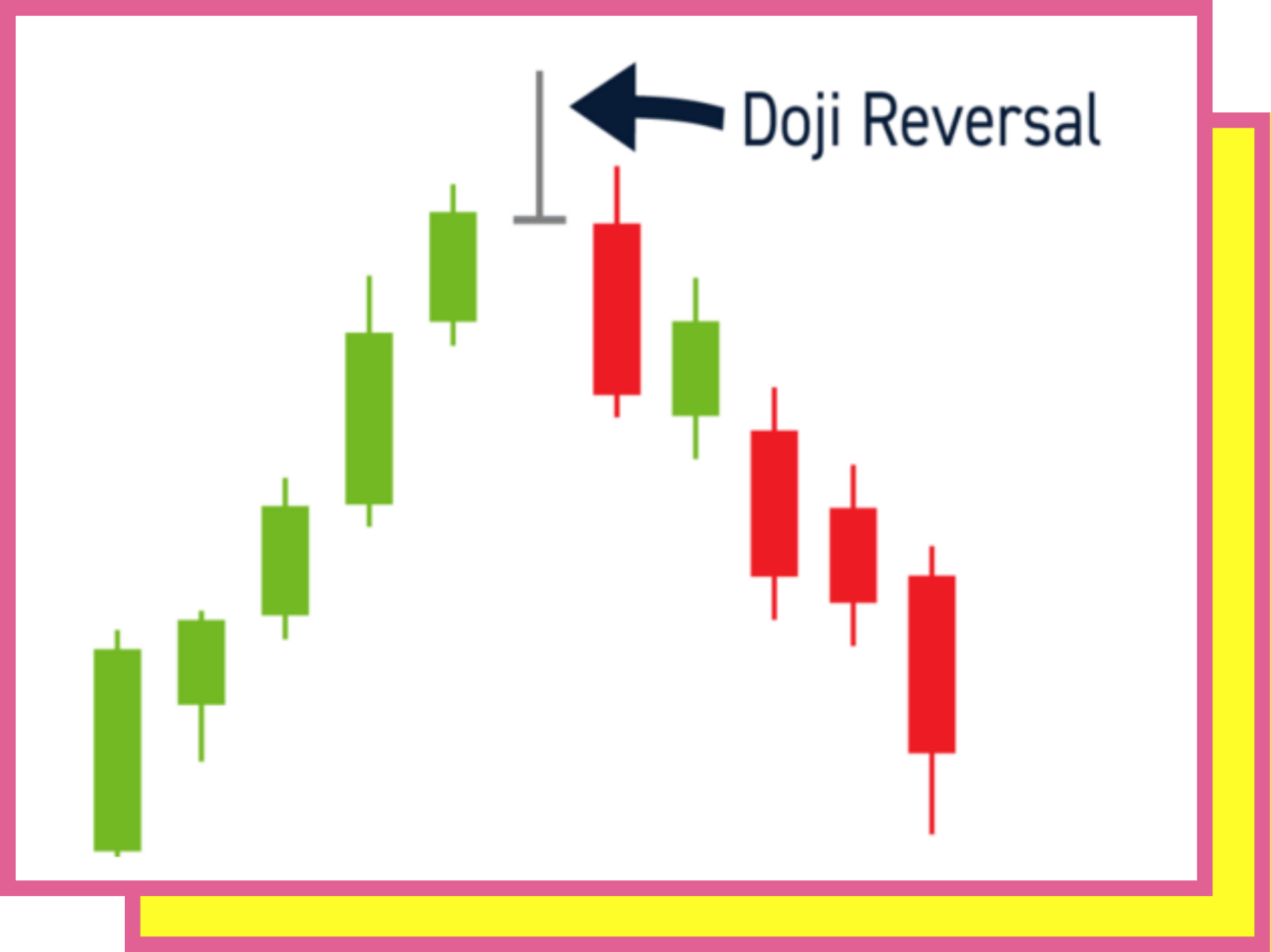
Imagine you're looking at a candlestick chart in trading, and you come across something called a "doji" candlestick. It's a bit special because it has a tiny body (the rectangular part) and a long shadow (the line above and below it).
Now, people usually think of the doji as a sign that the current trend will keep going, but here's the catch: it can also sometimes mean that the trend is about to flip in the opposite direction.
To make things less confusing, here's a tip: don't rush into trading based solely on a doji. Wait for a few more candles to form after the doji. This can help you see where the market is really heading. If the trend is still clear after those extra candles, then you can make a more confident decision about buying or selling.
In a nutshell, dojis are a bit tricky. They can suggest both "keep going" and "time to change." To be on the safe side, give it a bit of time and watch what happens next before making your move.
🤣 Crox Road Memes

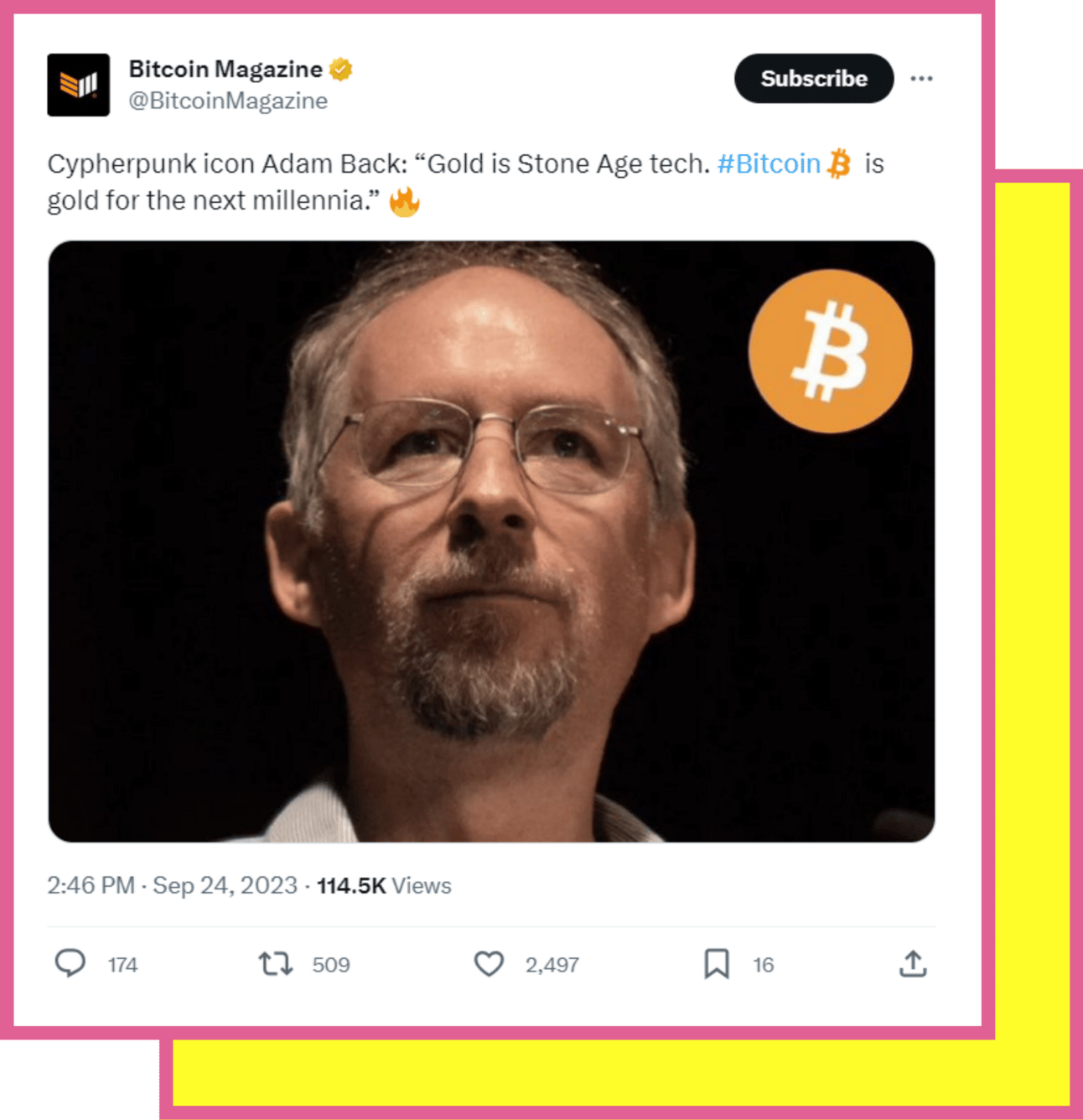

“If it is Bitcoin, it is for all, and if it is not for all, it is not Bitcoin.”