⚡Chinese Turn to Bitcoin🥢

☕️ GM Dear Plebs!
Here is Crox Road, your daily dose of orange pill that will turn you into a Bitcoin Maxi.
The menu for today:
🇨🇳 Bitcoin Attracts Chinese Investors
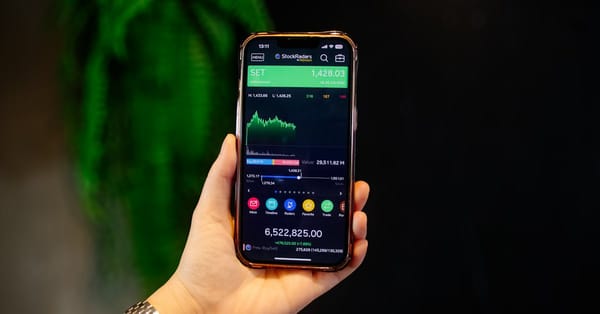
Amid the economic challenges faced by China's stock and property markets, Chinese investors like Dylan Run are increasingly finding solace in cryptocurrencies, particularly Bitcoin, perceived as a safer alternative. Despite the nationwide ban on crypto trading and mining since 2021, individuals are employing inventive methods, such as using bank cards from rural commercial banks and overseas accounts, to engage in cryptocurrency transactions. This surge in interest has not only led to a flourishing underground crypto market in China, with substantial trading volumes on platforms like OKX and Binance but also prompted traditional financial institutions in Hong Kong, including Bank of China and China Asset Management, to explore opportunities in the digital asset space due to limited growth prospects domestically.
Hong Kong's open support for digital assets has further fueled this trend, allowing Chinese citizens to leverage their annual forex purchase quotas to invest in cryptocurrencies in the territory. Even amid the ban, the Chinese crypto market has demonstrated resilience and significant growth, with estimated transaction volumes reaching $86.4 billion between July 2022 and June 2023. Chainalysis reports that China's crypto-related activities have surged, propelling it to the 13th place in global peer-to-peer trade volume in 2023, up from 144 in 2022. This thriving market includes brick-and-mortar crypto exchange stores in Hong Kong, where customers can buy cryptocurrencies with minimal regulation and without providing identity documents. The juxtaposition of the struggling traditional markets in China and the booming interest in cryptocurrencies highlights the evolving dynamics of investment preferences among Chinese investors in response to economic challenges and regulatory constraints.
Despite the ban, the developments suggest a potential shift in the Chinese government's stance on cryptocurrency. There is speculation that Hong Kong may be a testing ground for broader acceptance, as traditional financial institutions in the region explore digital asset opportunities. The contrast between the struggling mainland markets and the thriving interest in cryptocurrencies showcases the adaptability of Chinese investors, navigating regulatory constraints to seek alternative avenues for investment. This evolving landscape raises questions about the future trajectory of cryptocurrency regulation in China and its potential impact on global financial markets.

🧭 Bitcoin's $38.5K Milestone
Bitcoin faced a dip, hitting a two-month low at $40,145, but indicators suggest a potential recovery. The introduction of the U.S.'s first spot Bitcoin ETFs stirred market dynamics, with Grayscale Bitcoin Trust (GBTC) outflows slowing down and optimism growing around reduced institutional selling pressure. On-chain metrics, notably the advanced network value-to-transaction (NVT) signal, revealed a drop into oversold territory, indicating that the recent price point of $38,500 may be lower than justified.
The discussion around GBTC's conversion to an ETF shed light on market dynamics, as investors previously "trapped" in the trust could now exit, possibly impacting Bitcoin's price. The NVT signal, with its advanced analysis incorporating standard deviation bands, highlighted the current price as unnaturally low. Despite this, uncertainties loom, including the potential impact of sales by the defunct FTX exchange and derivative liquidations, leaving the market in a state of cautious anticipation.
Long-term holders (LTHs) exhibited signs of capitulation during this week's lows, with on-chain data revealing even these seasoned hodlers sending coins to exchanges at a loss. This move follows a similar pattern observed when Bitcoin retreated from its two-year highs post-ETF launch. Analysts are cautious, drawing parallels to previous market collapses and suggesting that LTHs may be on the brink, leaving room for a more intense round of capitulation. As Bitcoin's dynamics continue to evolve, the landscape remains uncertain, with both positive indicators and cautionary signals contributing to the ongoing narrative.

🌍 Decentralization
The Bitcoin halving isn't just about adjusting the issuance of new coins; it plays a crucial role in maintaining the decentralisation of the entire network. As the block rewards decrease, the focus shifts away from direct BTC issuance and more towards the essential work performed by miners – solving complex computations and validating transactions. This ensures that continuous effort is required to sustain the Bitcoin network, creating a perpetual economic incentive for miners who earn fees for their operations.
The reduction in coin issuance over time also discourages hoarding behaviour, promoting a healthier circulation of Bitcoin. By emphasising fee generation, the halving intensifies competition among miners, encouraging them to vie for a larger share of transaction fees rather than direct rewards. This dynamic fosters a more competitive and decentralised mining landscape, reducing the likelihood of miners consolidating their power to control directly issued coins. Ultimately, the fee-based incentives contribute to a sense of adoption and utility, reinforcing the idea that meaningful work is necessary for maintaining the integrity and functionality of the Bitcoin network.

🤣 Crox Road Memes


“I think there's a need for services that will make it easier for Chinese consumers to spend globally. The Bitcoin network could be an attractive solution.”

Visit Our Store Here 👉🏻 https://croxroad.store/