⚡BTC Miners Signal Confidence🤠

☕️ GM Dear Plebs!
Here is Crox Road, your daily dose of orange pill that will turn you into a Bitcoin Maxi.
The menu for today:
So, over the past four days, Bitcoin has been hanging out around the $40,000 mark, occasionally dipping below it. It's been a bit of a rollercoaster, especially with the price slipping under the 50-day EMA (Exponential Moving Average). Now, here's the interesting part – despite this, miners have been on a shopping spree, adding over 6,500 BTC to their reserves, totaling a whopping $264 million, all during this time when Bitcoin's price was taking a bit of a nosedive.
Now, here's where it gets intriguing. Historically, when miners start accumulating like this, it tends to signal that a price rebound is on the horizon. It's like they're stocking up when prices are low, getting ready for a potential rally.
And guess what? There's this thing called the NVT Golden Cross, which is flashing a bullish outlook for the first time in five months. It's like a golden sign saying, "Hey, things might be looking up!" This is coming at a time when Bitcoin is testing the waters around the $40,000 mark.
Sure, in the last 24 hours, Bitcoin took a little dip below $40,000, making some folks nervous. If you look at indicators like the Relative Strength Index (RSI), it might seem like we're in for more of a downward trend. But hold on a second – don't let that fool you. There's a chance we might see a turnaround.
Why? Well, the miners are giving us the nod with their accumulation strategy, and the NVT Golden Cross is singing a bullish tune. If Bitcoin can reclaim $40,000 as a solid support level, we might just witness a bullish comeback, potentially pushing the price back up to $42,000. It's a bit of a chess game, with the miners making moves and the NVT Golden Cross predicting a possible victory for the bulls.
So, in simpler terms, despite the recent dip and some cautionary signals, the stars might be aligning for Bitcoin to make a comeback. Keep your eyes on the $40,000 level – it might just be the battleground for the next big move.
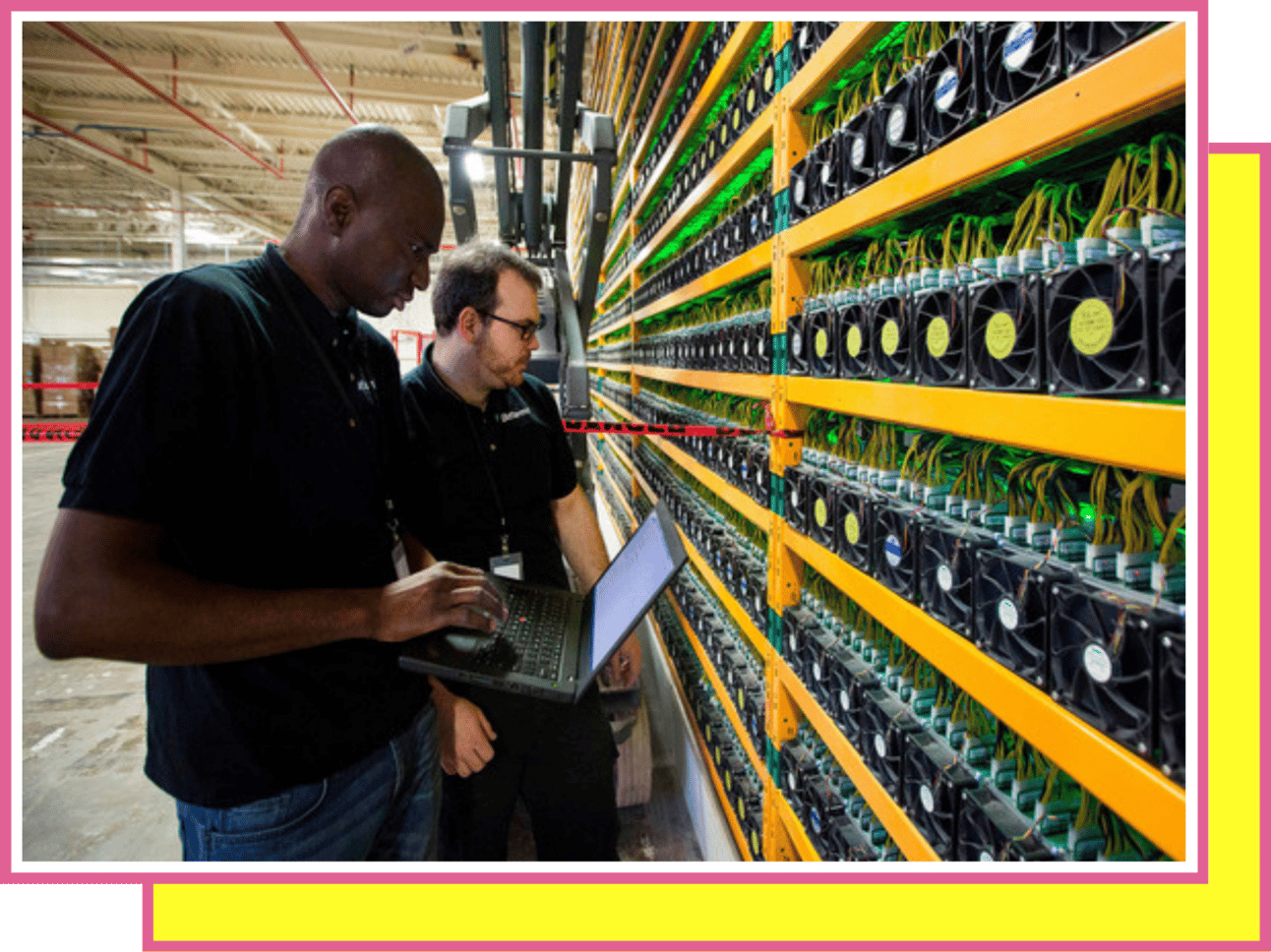
🇵🇰 Bitcoin Finds Foothold in Pakistan
In the midst of political turmoil and economic challenges, Pakistan is emerging as a noteworthy player in Southeast Asia. With a population of around 250 million, the majority facing poverty, the resilience and optimism of the people are remarkable. Despite the chaos, there's a sense of hope that good times lie ahead, especially with the Karachi Stock Exchange hitting historic highs.
In this dynamic environment, the "Bitcoin Pakistan" community has stepped up, organising its first physical networking event in Lahore. The enthusiasm to understand Bitcoin as a hedge against inflation and a global payment network is gaining traction. However, the legal landscape surrounding cryptocurrencies is murky, leading to reluctance among the public to openly discuss it, fueled by a misconception that Bitcoin is banned or illegal in Pakistan.
Drawing a parallel with Nigeria's Central Bank, which initially imposed a cryptocurrency ban but later lifted it due to growing demand, the State Bank of Pakistan maintains a cautious stance. In a 2018 circular, it clarified that cryptocurrencies are not legal tender and discouraged involvement in virtual currencies.
Despite the lack of a regulated exchange, Bitcoin adoption is surging in Pakistan. Peer-to-peer services like Binance and Paxful, along with other over-the-counter methods, are facilitating the acquisition of Bitcoin. While precise figures are elusive, it's evident that Pakistan is making waves in Bitcoin adoption among emerging markets.
This adoption trend is underscored by Pakistan's soaring inflation rate, surpassing 25% annually. The freelancing industry, a key player in Pakistan's economy, has witnessed a shift. Freelancers, facing economic uncertainty, are turning to Bitcoin and stablecoins like USDT as a hedge against inflation, especially as the country grapples with political turmoil and IMF pressure.
Bitcoin is proving unstoppable in its global revolution, and Pakistan is no exception. While other nations are adapting to the digital era, Pakistan's rapid adoption of Bitcoin highlights its potential to bring about positive change. With friendly regulations and a crackdown on crypto frauds, Pakistan could unlock new opportunities, attracting significant investments to address its debt crisis. It's a story of resilience, adaptation, and the potential for transformation in the face of adversity.
🔗 The Bottom Line
A Bitcoin halving is a significant event that occurs approximately every four years, reducing the rate at which new bitcoins are introduced into circulation by half. This process is designed to continue until the year 2140, reaching the proposed limit of 21 million bitcoins.
To put it into perspective, when Bitcoin was first mined in 2009, each block's reward was 50 bitcoins. Following the initial halving, this reward was reduced to 25 bitcoins, then to 12.5, and eventually reached 6.25 bitcoins per block as of May 11, 2020.
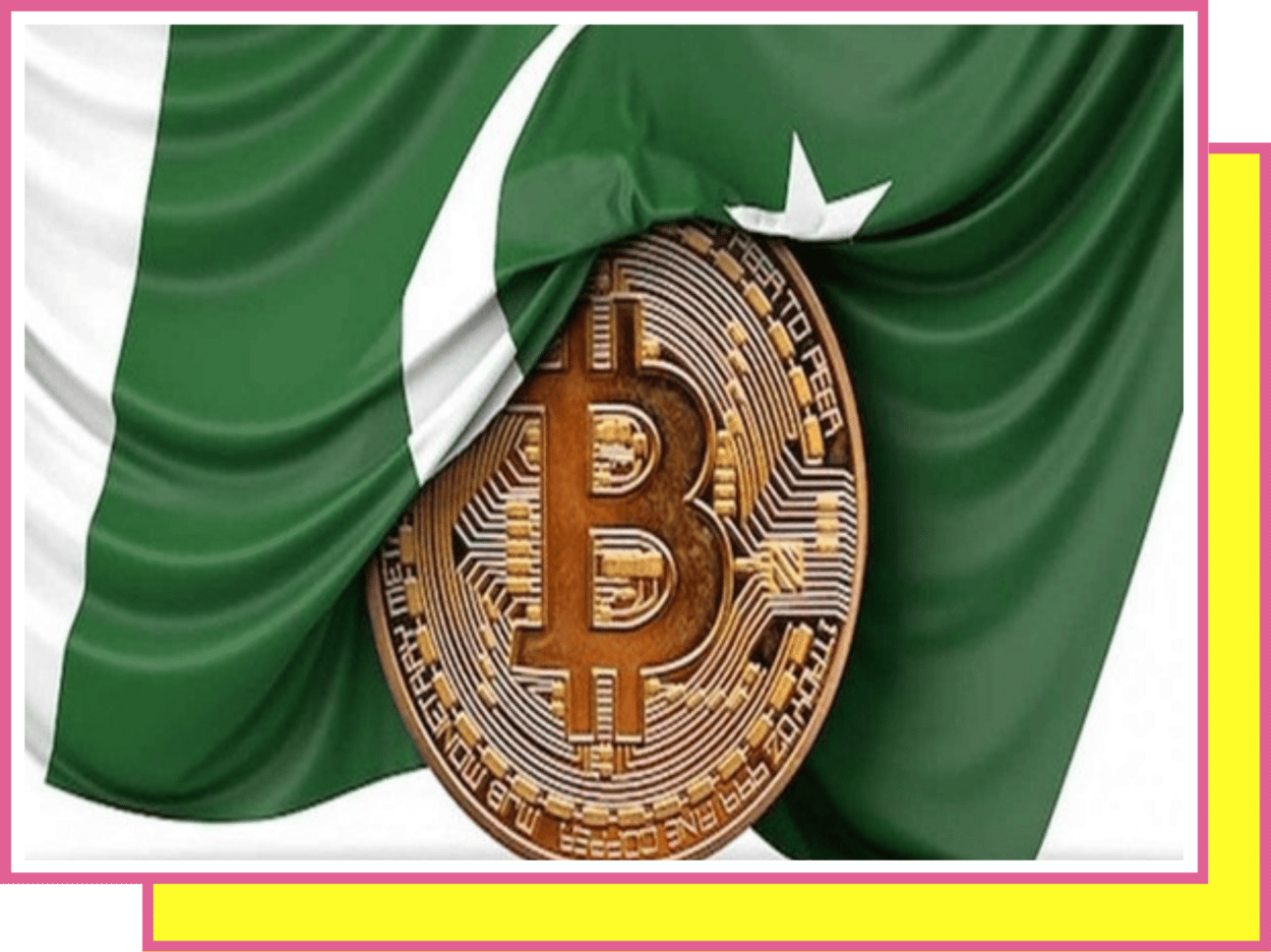
The impact of a Bitcoin halving is profound for the network. Miners, who play a crucial role in validating transactions and securing the network, face significant changes. The halving event often triggers a shake-up in the mining community, leading to consolidation. Individual miners and smaller operations may either exit the mining ecosystem or be acquired by larger and more resourceful players. This consolidation is a natural response to the reduced rewards, as it becomes more challenging for less efficient miners to sustain their operations in the face of diminished returns.
🤣 Crox Road Memes



“We all started Bitcoin for philosophical reasons, a way to separate money from state.”

Visit Our Store Here 👉🏻 https://croxroad.store/