BlackRock and the Future of Bitcoin, Ethereum, and XRP Investments

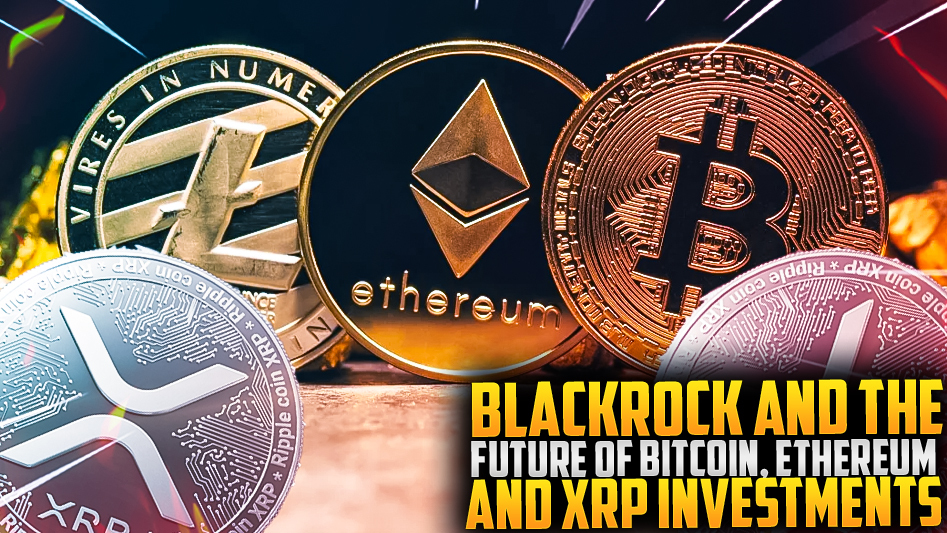
In the dynamic and often unpredictable world of digital assets, the recent strategic move by BlackRock, the world's largest asset manager, stands out as a watershed moment. By updating its bitcoin spot exchange-traded fund (ETF) application, BlackRock has not only signaled a major shift in its approach to digital currencies but also set the stage for a transformative impact on the future of Bitcoin, Ethereum, and XRP investments. This article explores the depths of BlackRock's decision, its far-reaching implications on the cryptocurrency market, and the new horizons it opens for investors in these leading digital assets.
Table of Contents

BlackRock's Strategic Move
BlackRock's amendment to its bitcoin spot ETF application is a bold step into uncharted territory. By enabling major Wall Street banks like JPMorgan and Goldman Sachs to act as "authorized participants," BlackRock is effectively bridging the gap between traditional finance and the burgeoning world of cryptocurrencies. This move is particularly significant because it allows these financial behemoths to sidestep the regulatory hurdles that have previously barred them from holding cryptocurrencies directly. In managing assets worth about $10 trillion, BlackRock is not just making a statement about its confidence in digital currencies but is also potentially catalyzing a major shift in institutional investment patterns.
Implications for the Cryptocurrency Market
Increased Institutional Participation
The entry of BlackRock into the cryptocurrency space is a harbinger of increased institutional participation. This development is poised to bring a wave of liquidity, stability, and maturity to the crypto market. The involvement of Wall Street's heavyweights, with their extensive financial resources and broad client networks, is likely to attract a more conservative investor demographic, previously deterred by the market's volatility and regulatory gray areas. This influx of institutional money could lead to a more balanced and less speculative market, potentially smoothing out some of the extreme price volatility that cryptocurrencies are known for.
Regulatory Developments
The evolving stance of the SEC on cryptocurrency ETFs, particularly in the wake of Grayscale's legal victory, indicates a potential shift in the regulatory landscape. Approval of bitcoin spot ETFs by the SEC would be a landmark event, offering a regulated, structured, and perhaps safer avenue for investors to engage with cryptocurrencies. Such a development would not only bolster investor confidence but could also pave the way for greater acceptance and integration of digital assets within traditional financial systems and portfolios.
Market Dynamics and Bitcoin Halving
The upcoming Bitcoin halving event, a periodic occurrence that reduces the reward for mining new blocks, is expected to have a significant impact on the market. In the context of BlackRock's entry and the potential increase in institutional investment, the effects of the halving could be magnified. The increased liquidity and institutional interest might lead to a more pronounced impact on Bitcoin's price, potentially influencing the broader cryptocurrency market, including Ethereum and XRP. This event could be a critical test of the market's maturity and the resilience of these digital assets in the face of changing dynamics.

Future of Bitcoin, Ethereum, and XRP Investments
Bitcoin as a Digital Gold
Bitcoin's burgeoning acceptance by major financial institutions, led by BlackRock's initiative, further cements its status as 'digital gold.' This perception is likely to enhance its appeal as a store of value and a hedge against economic instability and inflation, attracting more long-term investors. As Bitcoin continues to gain legitimacy and acceptance, it could see increased demand from both retail and institutional investors looking for alternative assets to diversify their portfolios.
Ethereum's Growing Ecosystem
Ethereum stands at the forefront of the smart contract revolution, and its ecosystem is poised for significant growth, especially with the transition to Ethereum 2.0. This platform's ability to support a wide range of decentralized applications and finance solutions makes it an attractive option for a diverse range of investors. Institutional interest, spurred by BlackRock's move, could lead to more significant investments in Ethereum-based projects and tokens, potentially driving innovation and growth in this space.
XRP's Niche Appeal
XRP, with its focus on facilitating fast and cost-effective cross-border payments, may carve out a unique niche in institutional investment portfolios. As banks and financial institutions increasingly explore blockchain solutions for payment systems, XRP's utility and efficiency could lead to heightened adoption and investment. This could position XRP as a key player in the evolving landscape of digital payments and remittances.
Conclusion
BlackRock's recent update to its bitcoin spot ETF application marks a turning point for the cryptocurrency market. It heralds a new era of institutional involvement, potentially leading to greater market stability and maturity. The future of Bitcoin, Ethereum, and XRP investments appears increasingly promising, with each digital asset poised to benefit uniquely from this development. As the landscape continues to evolve, the role of major players like BlackRock will be crucial in shaping the trajectory of these digital assets, potentially leading to broader acceptance and integration into the global financial system.

FAQs
What is the significance of BlackRock's recent move in the cryptocurrency market?
BlackRock, the world's largest asset manager, has updated its bitcoin spot ETF application to allow major Wall Street banks to act as authorized participants. This move is significant as it bridges traditional finance with the cryptocurrency market, potentially leading to increased institutional investment in cryptocurrencies.
How could BlackRock's decision impact Bitcoin, Ethereum, and XRP?
BlackRock's decision could lead to increased liquidity and stability in the cryptocurrency market. It may enhance Bitcoin's status as 'digital gold', boost Ethereum's ecosystem due to its smart contract capabilities, and increase XRP's adoption for cross-border payments.
What are the implications of increased institutional participation in cryptocurrencies?
Increased institutional participation could lead to a more mature and less volatile cryptocurrency market. It may attract conservative investors and enhance the mainstream acceptance of digital assets.
How might the SEC's stance on cryptocurrency ETFs affect the market?
If the SEC approves bitcoin spot ETFs, it could lead to greater regulatory clarity and investor confidence, potentially increasing mainstream adoption and integration of cryptocurrencies in traditional financial portfolios.
What is the potential impact of the upcoming Bitcoin halving event?
The Bitcoin halving event could lead to increased market activity and price volatility. BlackRock's involvement and the potential increase in institutional investment might amplify these effects.
VISIT OUR STORE

The Best Merch For Bitcoin Maxis
Visit Crox Road Store 👉🏻 https://croxroad.store/