⚡Bitcoin's Retrograde Shift🔱

☕️ GM Dear Plebs!
Here is Crox Road, your daily dose of orange pill that will turn you into a Bitcoin Maxi.
The menu for today:
🔙 Bitcoin's Price Flashback
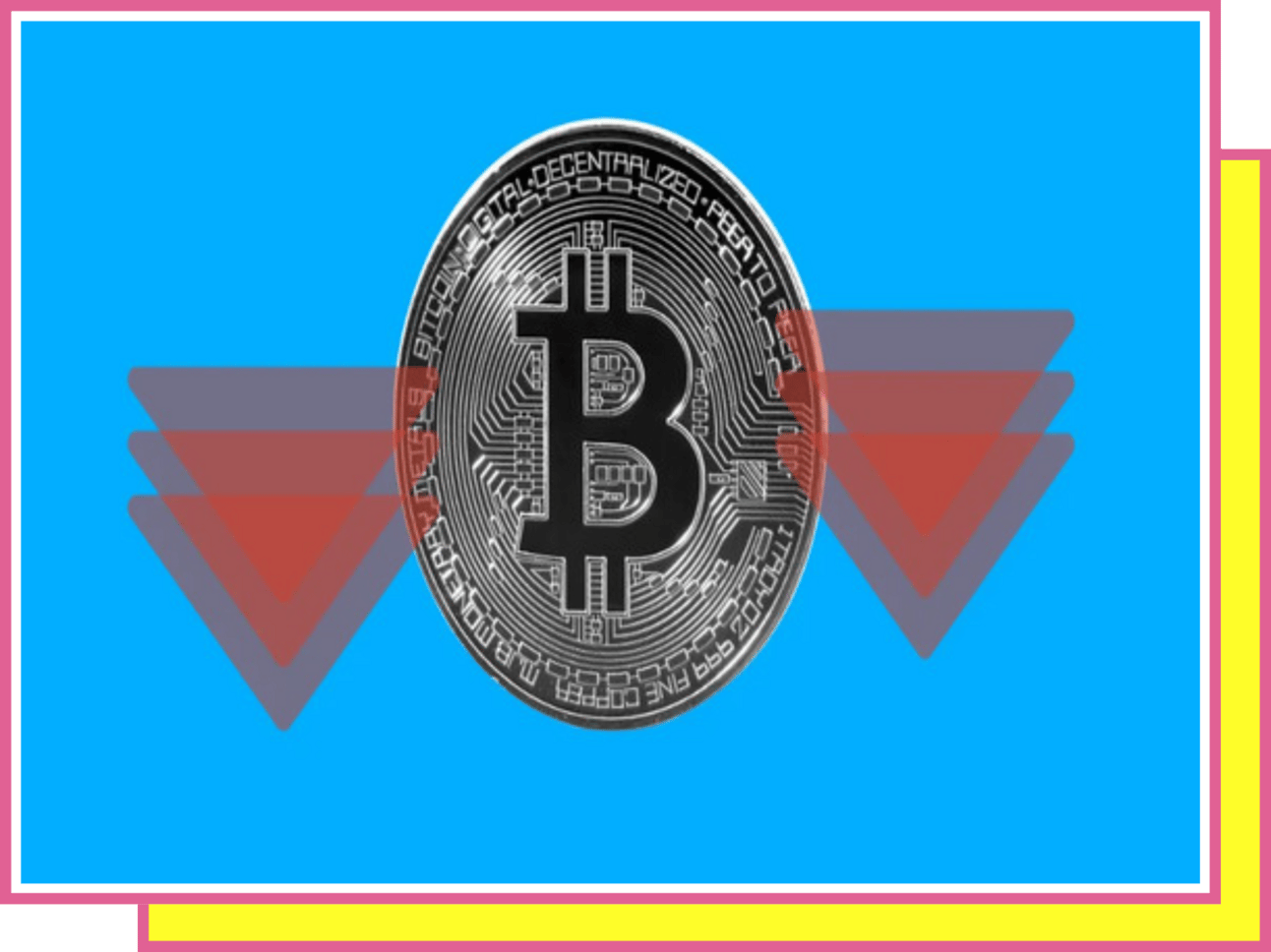
The recent retreat of Bitcoin to trading levels reminiscent of 2014 may evoke mixed emotions, but beneath the surface lies a narrative of evolution and maturity. Far from signalling a regression, this retracement signifies a notable shift in the cryptocurrency landscape, marked by dwindling Bitcoin deposits on exchange platforms. While this trend may initially raise eyebrows, it reflects a deliberate caution among investors rather than a harbinger of panic.
Data from CryptoQuant paints a compelling picture of institutional confidence in Bitcoin's long-term prospects, as evidenced by sustained interest and strategic investments. The reluctance of major Bitcoin whales to part with their holdings further underscores a sentiment of anticipation for future gains. This collective stance of restraint among significant players contributes to a narrative of a more stable and less volatile Bitcoin market.
The emergence of new financial products, notably Bitcoin-based ETFs, adds another layer to this evolving market dynamic. By providing a regulated avenue for exposure to Bitcoin, these instruments attract a broader institutional audience, potentially mitigating market fluctuations. As Bitcoin navigates this transformative phase, questions arise about its trajectory as an asset class: could it be on the brink of attaining newfound stability?
Indeed, the absence of coins on exchanges serves not as a warning signal, but rather as a testament to growing confidence in Bitcoin's resilience and maturation. As Bitcoin charts a course reminiscent of its early years, investor enthusiasm remains steadfast, signalling a potential paradigm shift towards measured and deliberate growth. In this new era of cryptocurrency, characterised by the participation of whales, institutions, and small investors alike, Bitcoin may be on the precipice of a long-awaited milestone: maturity.
As we contemplate Bitcoin's journey back to square one, it becomes evident that this return marks not a regression, but a pivotal step towards its evolution as a more stable and respected asset class. And as the cryptocurrency landscape continues to evolve, so too do the opportunities for investors to engage and participate in this transformative journey.
🔑 Francesco Unveils the Future
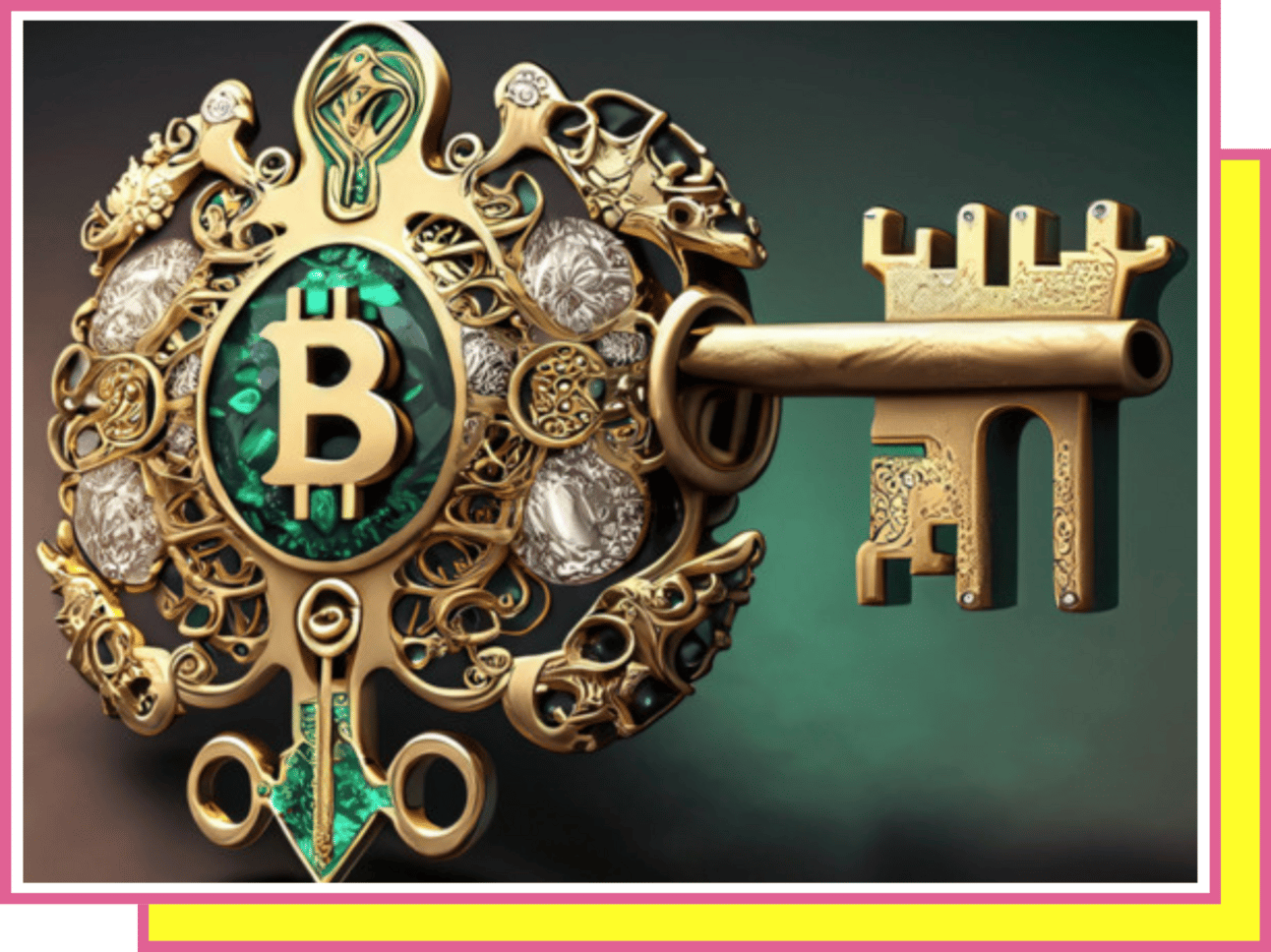
Self-custody in Bitcoin refers to the practice of individuals or entities directly managing their own Bitcoin assets, without relying on third-party intermediaries such as exchanges or custodial services. At the core of Bitcoin's ethos lies the principle of decentralisation, empowering users to have full control over their funds and transactions. Self-custody aligns closely with this ethos, offering users unparalleled autonomy and security in managing their wealth in the digital realm.
The concept of self-custody is rooted in the fundamental principles of blockchain technology, where cryptographic keys serve as the gateway to accessing and controlling Bitcoin holdings. These keys, consisting of a public key for receiving funds and a private key for authorising transactions, are generated and stored securely by Bitcoin wallet software. By retaining ownership of these keys, users maintain complete sovereignty over their Bitcoin holdings, free from the risks associated with trusting centralised institutions.
Self-custody offers several distinct advantages over traditional custodial arrangements. Firstly, it eliminates the counterparty risk inherent in entrusting funds to third-party custodians, mitigating the possibility of loss due to hacks, fraud, or insolvency. Additionally, self-custody affords users greater privacy and confidentiality, as they are not required to disclose personal information or adhere to stringent verification procedures typically imposed by custodial services.
Moreover, self-custody promotes financial empowerment by enabling individuals to participate directly in the Bitcoin network as sovereign entities. Through self-custodial wallets, users can send and receive Bitcoin transactions seamlessly, interact with decentralised applications, and engage in peer-to-peer trading without relying on intermediaries. This fosters a more inclusive and resilient financial ecosystem, where individuals have the autonomy to safeguard their wealth and transact freely in the digital economy.
🦉 Know Your Customer (KYC)
Know Your Customer (KYC) is a regulatory process adopted by many crypto exchanges to verify the identity of their customers. While not universally mandated, KYC helps exchanges comply with anti-money laundering (AML) regulations and mitigate risks associated with illicit activities. Customers are typically required to provide personal information and documentation, such as government-issued IDs and proof of address, to undergo identity verification. By implementing KYC procedures, exchanges aim to enhance security, foster regulatory compliance, and promote trust within the cryptocurrency ecosystem.

🤣 Crox Road Memes


“Bitcoin is the currency of resistance.”

Visit Our Store Here 👉🏻 https://croxroad.store/