
⚡Bitcoin to Hit $500,000 by 2025❓


VaultCraft launches V2, TVL skyrockets above $100M
VaultCraft launches V2, partners with Safe, and secures $100M+ in Bitcoin
☕️ GM Dear Plebs!
Here is Crox Road, your daily dose of orange pill that will turn you into a Bitcoin Maxi.
The menu for today:
🥁 Bitcoin's Bold Bet
Bitcoin’s price trajectory has always been a hot topic in the world of finance, and recent predictions suggest it could reach an astonishing $500,000 by 2025. This bold forecast is driven by a combination of factors, including growing institutional adoption, increasing scarcity due to halving events, and a global shift toward decentralized assets amid economic uncertainties. Analysts argue that as central banks continue to grapple with inflation and monetary instability, Bitcoin’s appeal as a hedge against traditional financial systems is likely to strengthen, potentially catapulting its value to unprecedented heights.
The upcoming Bitcoin halving, expected in 2024, is a key catalyst fueling these predictions. Historically, halvings have drastically reduced the rate of new Bitcoin entering the market, leading to supply shocks that have preceded massive price rallies. Furthermore, the increasing participation of major financial institutions, such as BlackRock and Fidelity, in Bitcoin-related investments is bolstering market confidence. With ETFs and regulatory clarity gradually taking shape in various jurisdictions, the narrative around Bitcoin is shifting from speculative asset to a legitimate store of value, comparable to digital gold.
However, this ambitious $500,000 target is not without its skeptics. Critics point out that Bitcoin’s volatile nature and regulatory challenges could act as significant hurdles. Additionally, macroeconomic conditions, such as potential recessions or shifts in investor sentiment, may impact its growth trajectory. While the road to $500,000 is uncertain, Bitcoin’s resilience and ability to attract a growing global user base suggest that the asset’s long-term potential remains undeniable. Whether or not it reaches this milestone by 2025, one thing is clear: Bitcoin continues to solidify its place as a transformative force in the financial world.

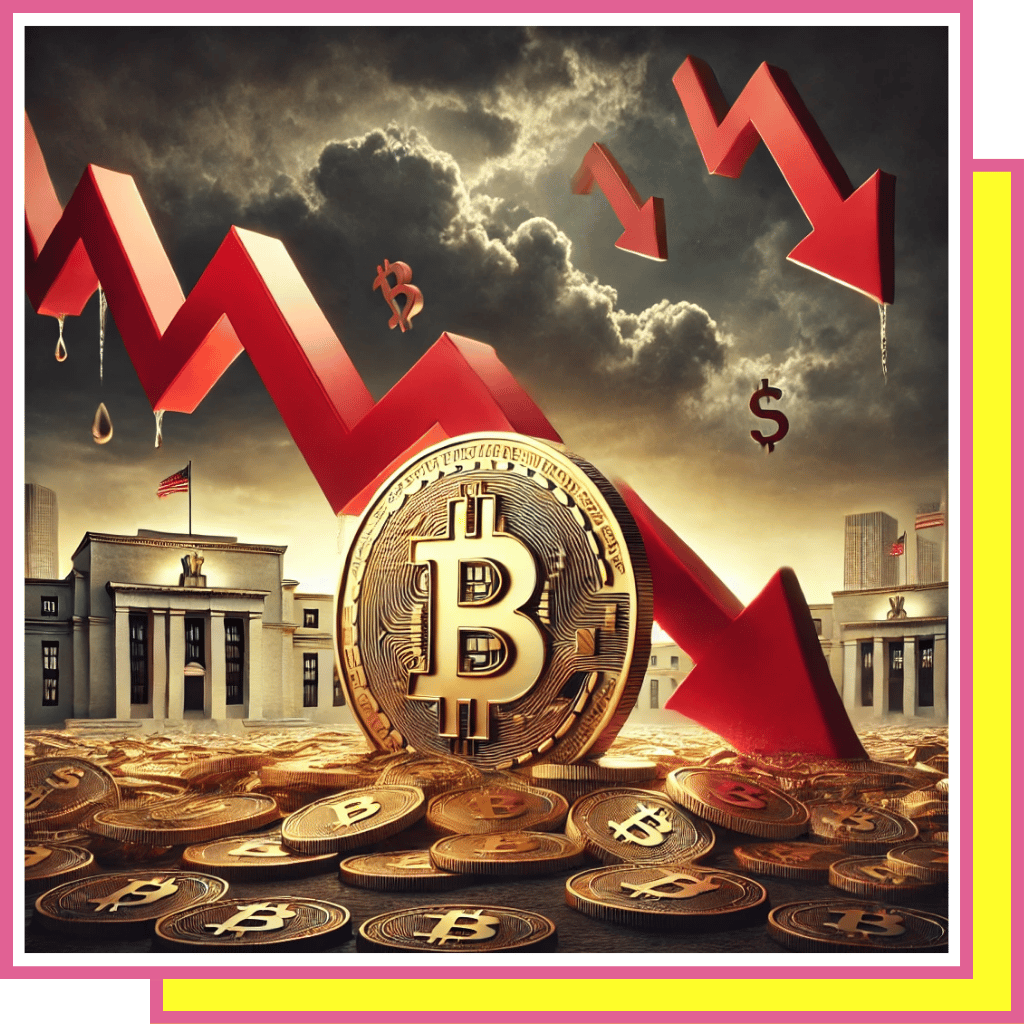
⏬ Bitcoin Slips Again
Bitcoin’s price has continued to decline, marking its third consecutive day of losses and dropping to $9,400 amid growing concerns about potential Federal Reserve rate hikes. The cryptocurrency market, which has often shown sensitivity to macroeconomic conditions, is experiencing heightened volatility as investors brace for the Fed's next moves. With inflation remaining a central concern, the possibility of further monetary tightening has triggered widespread caution across financial markets, leading to a sell-off in riskier assets like Bitcoin.
The recent downturn highlights Bitcoin’s vulnerability to external economic factors, despite its status as a decentralized asset. Historically, the cryptocurrency has been touted as a hedge against inflation and traditional financial systems, but its correlation with equities and other risk assets has become increasingly evident in recent years. As traders anticipate higher borrowing costs and a potentially stronger dollar, the appeal of speculative assets has waned, placing additional pressure on Bitcoin’s price.
Despite the current bearish trend, some market analysts remain optimistic about Bitcoin’s long-term prospects. They argue that periods of market uncertainty often lead to consolidation, providing an opportunity for stronger hands to accumulate. Moreover, upcoming events such as the next Bitcoin halving and growing institutional interest could help stabilize the market in the future. However, in the short term, the Fed’s rate decisions are likely to remain a key influence on Bitcoin’s trajectory, keeping investors on edge as they navigate the ongoing economic turbulence.
⛏️ Mining Hotspots
Bitcoin mining hotspots are regions where mining activities concentrate due to factors like cheap electricity, favorable regulations, or access to renewable energy. Historically, China dominated Bitcoin mining, but after the 2021 crackdown, operations shifted to other regions such as the United States, Kazakhstan, and Russia. In the U.S., states like Texas and Wyoming have become popular due to low energy costs and pro-crypto policies. Kazakhstan, with its surplus of coal-powered electricity, also emerged as a key player, though concerns about environmental impact have grown. Additionally, countries like Iceland and Canada attract miners with abundant renewable energy sources like geothermal and hydroelectric power. These hotspots often face challenges, including increased strain on power grids, regulatory scrutiny, and community opposition, highlighting the complexities of balancing economic opportunities with environmental and social impacts.

🤣 Crox Road Memes


“Bitcoin miners monetize wasted and stranded energy.”

For More Merch Visit Our Store Here 👉🏻 https://croxroad.store/