
⚡Bitcoin ETFs Gain Regulatory Approval🍷

☕️ GM Dear Plebs!
Here is Crox Road, your daily dose of orange pill that will turn you into a Bitcoin Maxi.
The menu for today:
🦧 Landmark Decision
In simple terms, U.S. regulators have given the green light for the creation of Bitcoin Exchange-Traded Funds (ETFs), making it much easier for people to invest in Bitcoin. The Securities and Exchange Commission (SEC) approved the necessary filings from various markets, and these Bitcoin ETFs are set to start trading on Thursday. This decision caused Bitcoin's price to surge past $47,500, and other cryptocurrencies also experienced a rally.
Several major companies, including BlackRock, Fidelity, and Grayscale, were vying to launch these Bitcoin ETFs. They are known as spot ETFs, which means they directly hold Bitcoin, as opposed to previously approved Bitcoin futures ETFs that deal with derivative contracts tied to Bitcoin.
The SEC's approval follows years of delays and rejections for spot Bitcoin ETFs. Interestingly, the decision also comes after a court ruled against the SEC in a case involving Grayscale, criticising the SEC's handling of the matter.
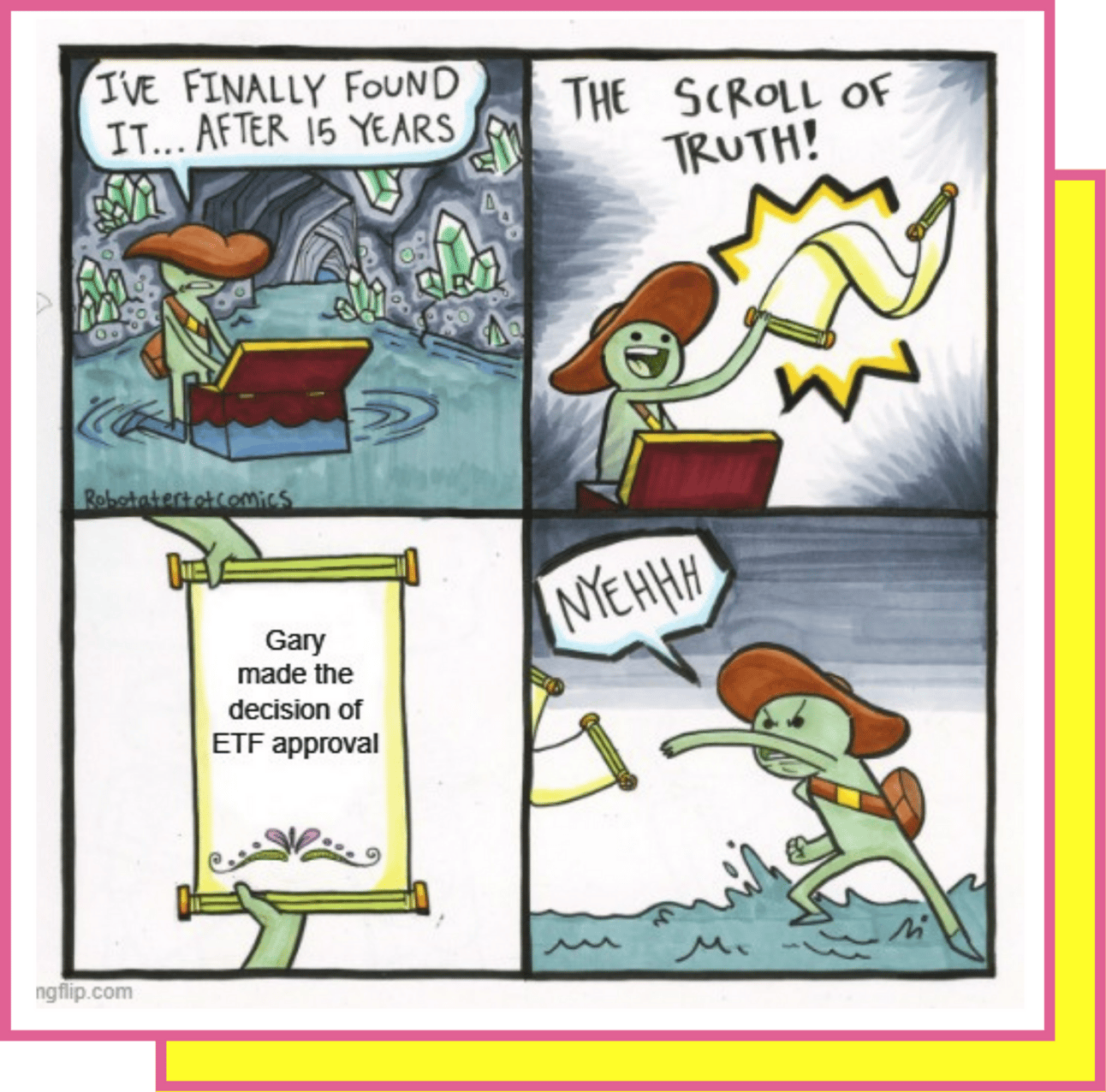
SEC Chair Gary Gensler, in explaining the decision, referenced the court's critique and emphasised the need for a more transparent and regulated approach to Bitcoin trading. Advocates argue that Bitcoin ETFs provide a regulated way for both institutional and retail investors to participate in Bitcoin's price movements without dealing with the complexities of directly owning and managing digital assets.
Notably, SEC Commissioner Hester Peirce celebrated the approval, stating that it allows American investors the opportunity to engage with Bitcoin through regulated ETFs. However, Commissioner Caroline Crenshaw dissented, expressing concerns about the potential for fraud or manipulation in the Bitcoin spot market, disagreeing with the correlation between spot and futures markets.
Overall, this approval is seen as a significant step towards mainstream acceptance and accessibility of Bitcoin investments for a broader range of investors.
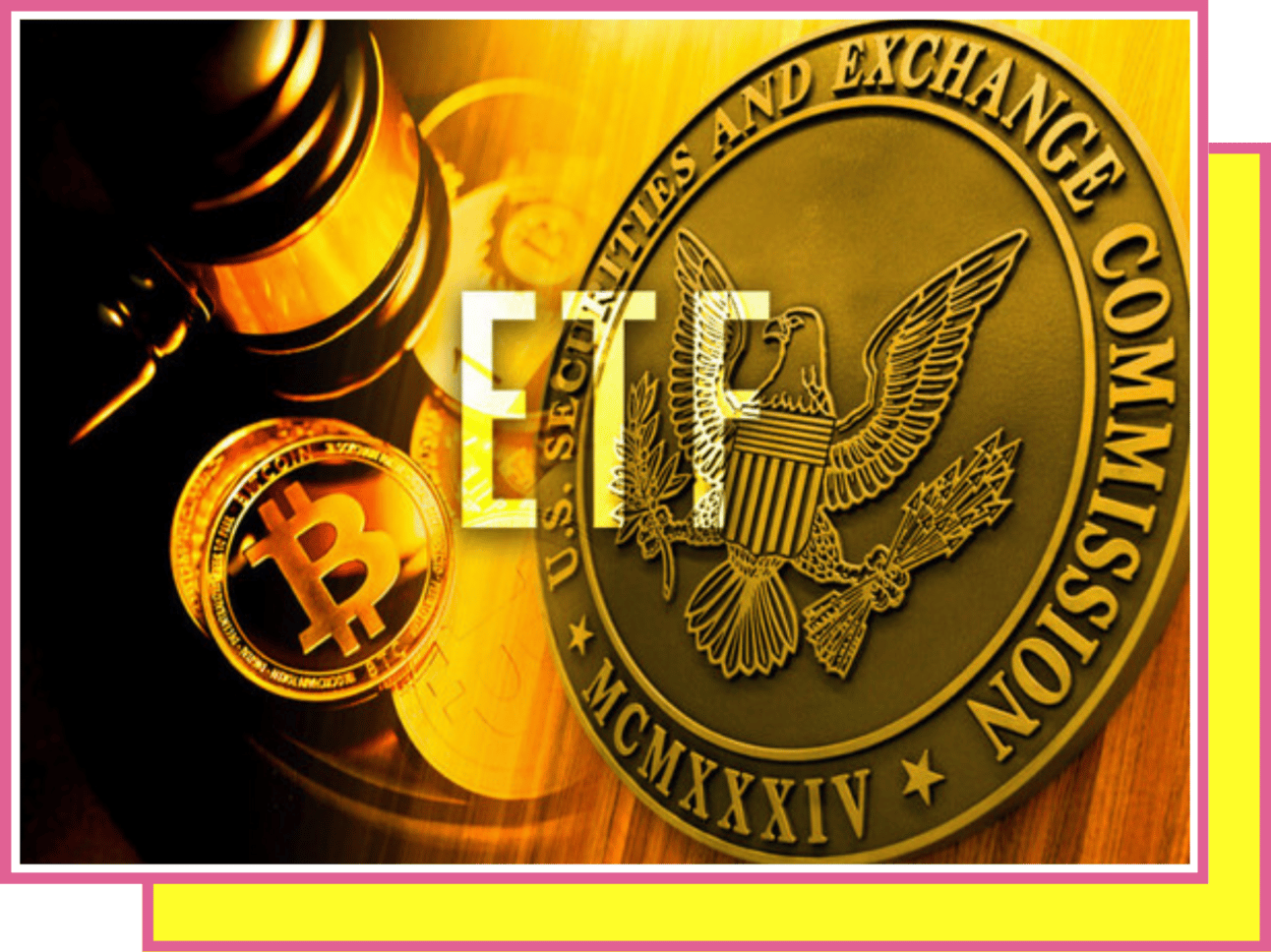
🥩 The SEC has approved Bitcoin ETFs. What are they and what does it mean for investors?
In a significant development for the cryptocurrency market, the U.S. Securities and Exchange Commission (SEC) has granted approval for the first U.S.-listed exchange-traded funds (ETFs) to track Bitcoin. This marks a pivotal moment for both Bitcoin and the broader crypto industry. The announcement, surrounded by a bit of drama due to a temporarily compromised SEC Twitter account, led to a rapid surge in Bitcoin's price.
The SEC approval includes 11 ETFs for Bitcoin, making it easier for a new wave of investors to enter the cryptocurrency space without the need to directly buy and manage Bitcoin. ETFs, like the SPDR Gold Shares ETF for gold, allow investors to gain exposure to assets without the complexities of ownership.
Notable asset management firms such as BlackRock, Fidelity Investments, and Invesco, which will manage these funds, consider this approval a major win. Despite the approval, the SEC remains sceptical about cryptocurrencies and emphasised that approving ETFs does not imply an endorsement of Bitcoin.
The decision has sparked anticipation of increased demand for Bitcoin, with some analysts predicting substantial inflows into the market. The price of Bitcoin, which had experienced significant volatility in recent years, saw a positive response, reaching $46,500 after the SEC announcement.
SEC Chairman Gary Gensler, while acknowledging the approval, urged investors to exercise caution due to the risks associated with Bitcoin and crypto-related products. Commissioner Caroline Crenshaw expressed concerns about potential fraud and manipulation, particularly affecting unsuspecting investors.
In terms of the broader impact, the approval is seen as positive news for the crypto market, bringing hope to investors after a period of turmoil. The potential for significant capital inflows through ETFs is expected to drive demand for Bitcoin, although some remain cautious about the potential risks and volatility associated with crypto investments, especially in retirement accounts.
Looking beyond the crypto realm, the article shifts to a reflection on the events of 2023, highlighting political and global challenges, and expressing hope for positive change in the upcoming year. The Guardian's call for financial support underscores the importance of independent journalism in providing transparent and reliable information globally.
💰 Bond ETFs
Exchange-Traded Funds (ETFs) can be categorised as either passive or actively managed. Passive ETFs aim to replicate the performance of a specific index, providing investors with a cost-effective way to gain exposure to a market or sector. In contrast, actively managed ETFs involve portfolio managers who make decisions about the fund's holdings, aiming to outperform the market. While passive ETFs are known for their simplicity and lower fees, actively managed ETFs offer the potential for higher returns through active decision-making, albeit with higher management fees. Investors often choose between the two based on their investment goals, preferences, and views on the benefits of active management.

🤣 Crox Road Memes


“Bitcoin and the whole discussion around it shows how big a need there is for innovation about what money is and how it is stored.”

Visit Our Store Here 👉🏻 https://croxroad.store/