Bitcoin as Legal Tender: El Salvador's Trailblazing Journey Under Bukele

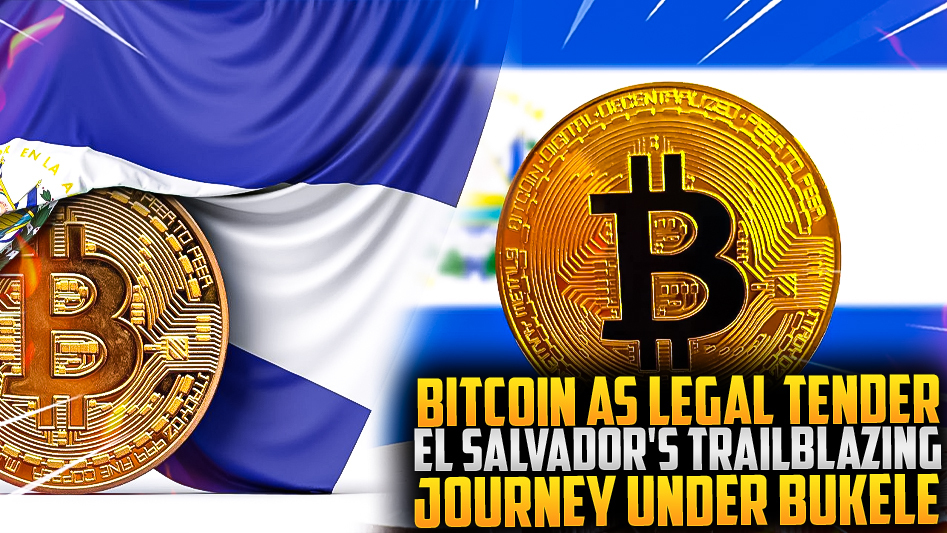
In 2021, El Salvador embarked on an unprecedented financial experiment under President Nayib Bukele's leadership by adopting Bitcoin as legal tender. This decision was not only groundbreaking but also positioned the small Central American nation as a pioneer in the global financial landscape. The move was seen as a step towards modernizing the country's financial system and making it more inclusive and forward-thinking. It was a daring venture into uncharted territory, signaling El Salvador's willingness to embrace technological innovation and challenge traditional economic models. The decision was met with a mix of admiration and skepticism globally, as it represented a significant departure from conventional monetary policy and raised questions about the future of digital currencies in mainstream finance.
Table of Contents

The Genesis of the Bitcoin Law
The journey to adopting Bitcoin as legal tender was marked by the introduction of the Bitcoin Law, a bold legislative move by President Bukele's administration. This law required all businesses to accept Bitcoin in addition to the US dollar, which had been El Salvador's official currency for two decades. The law aimed to democratize financial access, especially for the 70% of Salvadorans who did not have bank accounts and relied heavily on cash transactions. It also sought to reduce remittance costs for millions of Salvadorans living abroad, who annually send billions of dollars back home. The Bitcoin Law was a part of Bukele's broader strategy to reposition El Salvador as a hub for technological innovation and economic growth. However, the law also raised significant questions about the feasibility and stability of using a highly volatile digital currency in everyday transactions.
Implementation and Challenges
Implementing the Bitcoin Law was a complex endeavor. The government's launch of the “Chivo” digital wallet was intended to facilitate Bitcoin transactions and offer a $30 Bitcoin incentive to users. However, the rollout faced technical glitches and public mistrust in cryptocurrency. Many Salvadorans were unfamiliar with Bitcoin, leading to a steep learning curve and reluctance to transition from traditional cash transactions. Additionally, the fluctuating value of Bitcoin posed a risk to users, particularly those living in poverty or on fixed incomes. The government's efforts to promote Bitcoin adoption also faced international scrutiny, with financial experts questioning the impact on El Salvador's financial stability and its relationship with global financial institutions.
Economic Impacts and International Response
The economic impact of Bitcoin's adoption in El Salvador has been a subject of intense debate. On one hand, it has attracted significant attention from the global cryptocurrency community, positioning the country as a potential hub for digital finance. On the other hand, the move has been met with caution and criticism from international financial institutions. The International Monetary Fund (IMF), for instance, expressed concern over the potential risks associated with Bitcoin's volatility and its implications for financial stability, governance, and consumer protection. The fluctuating value of Bitcoin also posed a challenge for the national budget and financial planning. Despite these concerns, the Bukele administration remained committed to its digital currency strategy, viewing it as a long-term investment in the country's economic future.

Bukele's Vision and Controversies
President Nayib Bukele, a charismatic and controversial leader, has been at the center of El Salvador's Bitcoin experiment. His administration's aggressive push for Bitcoin adoption was part of a broader vision to transform El Salvador into a modern, technologically advanced economy. Bukele's plans included the development of a “Bitcoin City,” funded by Bitcoin-backed bonds, which was envisioned as a tax-free haven for cryptocurrency investors. However, these ambitious projects have not been without controversy. Critics have raised concerns about the lack of transparency in the government's Bitcoin transactions and the potential for financial mismanagement. Bukele's autocratic tendencies, including his clashes with the judiciary and the press, have also raised alarms about the democratic governance of these initiatives.
The Future of Bitcoin in El Salvador
As El Salvador continues its journey with Bitcoin, the future of this initiative remains a topic of global interest and speculation. The country is navigating uncharted waters, and its experience will likely serve as a case study for other nations contemplating similar moves. The success of Bitcoin in El Salvador depends on various factors, including technological infrastructure, public education, and global market dynamics. The government's ability to manage the currency's volatility and integrate it into the broader economy will be crucial. Additionally, the impact of this initiative on financial inclusion, remittances, and economic growth will be closely watched. El Salvador's experiment with Bitcoin could pave the way for a new era of digital currency adoption, but it also faces significant challenges that could shape its outcome.