
Will This Bitcoin Bill Make or Break the Philippine Economy?


In a groundbreaking legislative move, the Philippines has proposed House Bill 421, also known as the Strategic Bitcoin Reserve Act. If passed, this would mandate the country’s central bank to accumulate 10,000 Bitcoin (BTC) over five years and hold it for a minimum of 20 years, with the goal of boosting national financial resilience.
While some see this as a visionary step toward financial modernization, others warn it may be a high-stakes gamble in an unpredictable global economy. So, the question looms large: Will this Bitcoin bill make or break the Philippine economy?
Table of Contents
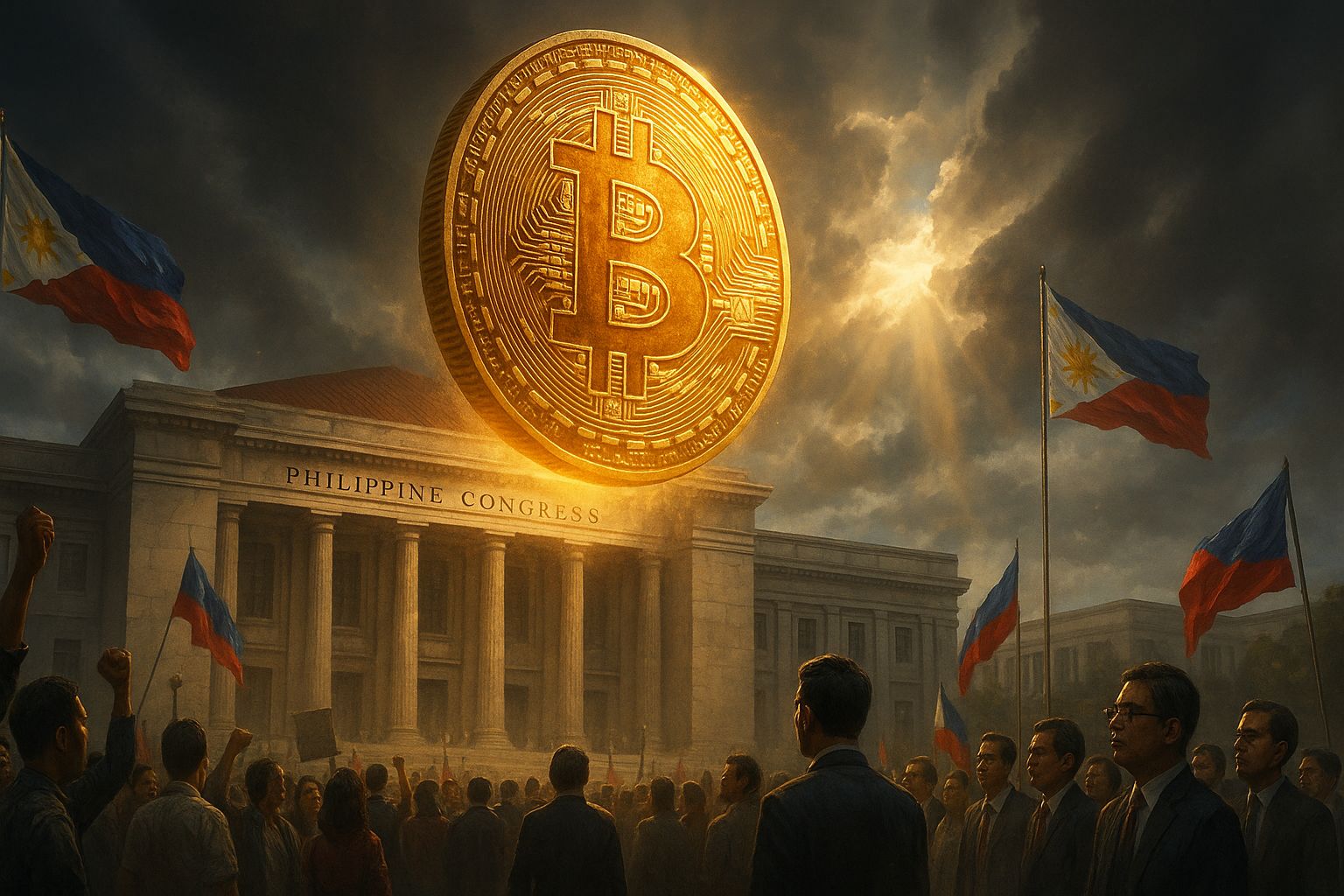
What the Bill Proposes
Filed by Congressman Miguel Luis Villafuerte, House Bill 421 instructs the Bangko Sentral ng Pilipinas (BSP) to:
Unlike other countries that acquired Bitcoin through seizures or mining, the Philippines would be among the first in Asia to legislate a sovereign crypto acquisition strategy via direct market purchases.
The Economic Case for Bitcoin Reserves
1. Diversification and Inflation Hedge
Bitcoin is often dubbed “digital gold” due to its scarcity and deflationary design. In theory, holding BTC could help:
Villafuerte argues that accumulating Bitcoin now, while prices are comparatively low, could support national interests and financial stability decades into the future.
2. Long-Term Value Creation
Historically, Bitcoin has demonstrated an impressive compound annual growth rate (CAGR). If its growth continues, 10,000 BTC could appreciate significantly over 20 years, potentially transforming into a multi-billion dollar reserve.
3. Geopolitical Positioning
With countries like Bhutan and Pakistan exploring crypto reserves, the Philippines has a chance to position itself as a regional leader in digital asset adoption — signaling tech-savviness and forward-looking governance.
The Risks: Volatility, Public Funds, and Education Gaps
1. Extreme Volatility
Bitcoin’s value can fluctuate dramatically. While it has reached highs above $60,000, it has also plummeted below $20,000. A crash could wipe out a significant portion of the reserve's value — endangering public funds.
2. Opportunity Cost
Allocating capital to Bitcoin means diverting resources from other critical sectors such as healthcare, education, or infrastructure. Critics question whether the Philippines can afford to make such a speculative investment.
3. Financial Literacy and Public Perception
Paul Soliman, CEO of BayaniChain, notes that while Bitcoin offers transparency through public wallets, the average Filipino lacks financial education to understand crypto’s implications. This gap could breed misunderstanding, mistrust, or misuse of funds.
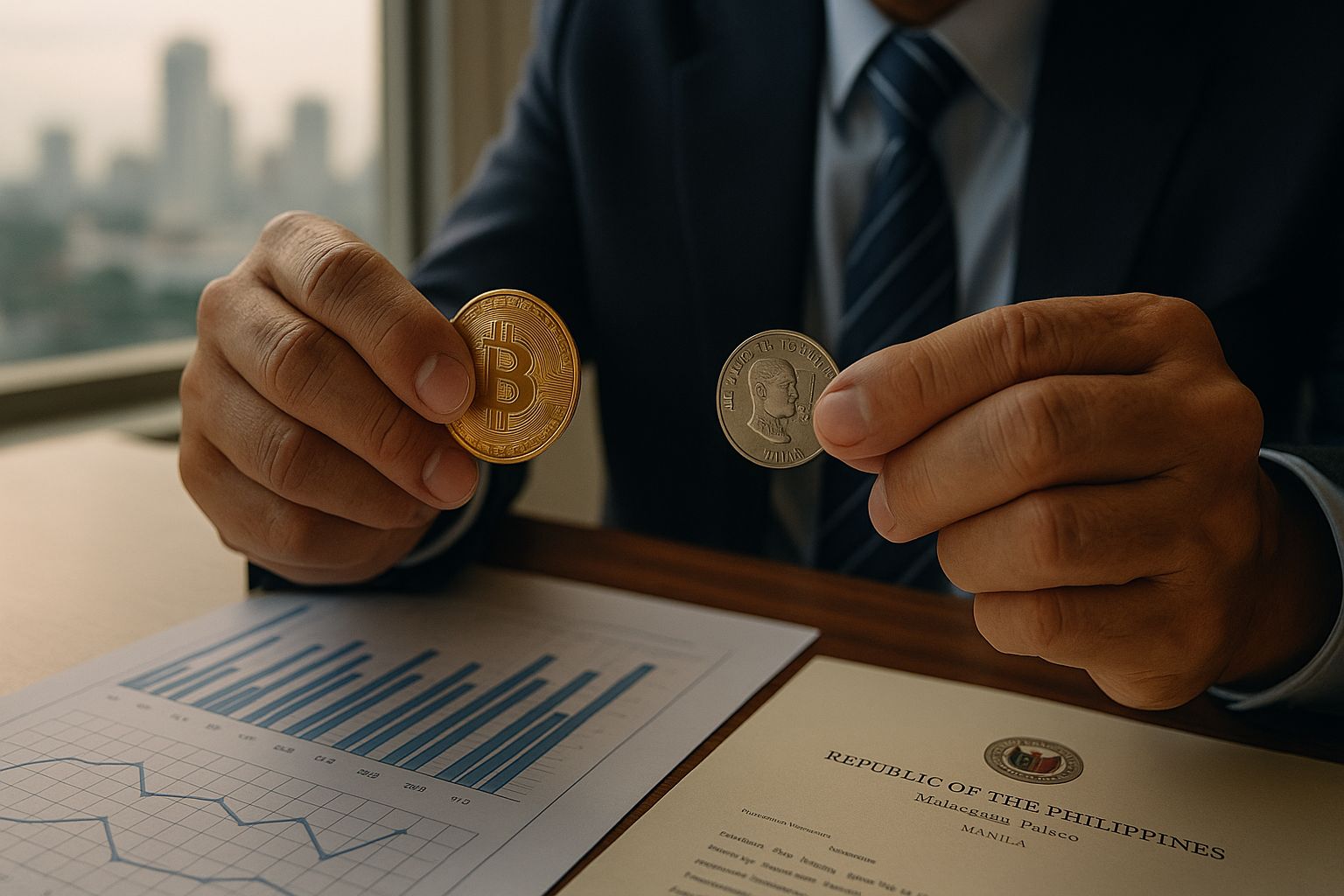
What Crypto Leaders Are Saying
🗣️ “A bold step… treating Bitcoin as it was meant to be: long-term and censorship-resistant.”
— Paul Soliman, CEO, BayaniChain
🗣️ “We already have a global template to follow. This could be an asymmetric bet with massive upside.”
— Miguel Antonio Cuneta, Satoshi Citadel Industries co-founder
🗣️ “I don’t think the bill will pass, but it may encourage local corporations to add Bitcoin to their balance sheets.”
— Luis Buenaventura, Head of Crypto at GCash
The sentiment across the local crypto community is cautiously optimistic. While some doubt the bill’s viability in Congress, many believe it will spark necessary conversations about digital assets in national policy.
Transparency as a Trust-Building Tool
One unique feature of the bill is its commitment to public transparency. If the government discloses its wallet addresses, any citizen could verify the existence and value of the national Bitcoin reserve in real time.
This level of auditable, tamper-proof financial reporting would be unprecedented in public finance — and could serve as a model for democratic accountability in future digital treasury initiatives.
Final Verdict: Make or Break?
The fate of House Bill 421 is still uncertain. But whether it passes or not, it represents a seismic shift in how nations think about reserves, risk, and innovation.
Conclusion
This bill is not just about buying Bitcoin — it’s about reimagining national financial strategy in a world increasingly shaped by digital assets. Success hinges on execution: acquisition timing, custody, legal clarity, and public education.
Done right, it could become a generational safeguard — a bold move that defines the Philippines as an innovator. Done poorly, it could be remembered as an ambitious overreach.
For now, it remains one of the most intriguing economic experiments in Asia — and the world is watching.
FAQs
What is House Bill 421 in the Philippines?
House Bill 421, also known as the Strategic Bitcoin Reserve Act, is a legislative proposal that would require the Philippine central bank to accumulate 10,000 Bitcoin over five years and hold it for a minimum of 20 years.
Why is the Philippines considering a Bitcoin reserve?
The proposal aims to diversify the country's financial reserves, hedge against inflation, and potentially benefit from Bitcoin’s long-term appreciation as a “digital gold” asset.
How would the Bitcoin be used by the government?
The bill allows the government to sell the Bitcoin only after 20 years, and solely for the purpose of paying off national debt.
What are the risks of this Bitcoin bill?
Key risks include:
Has any other country adopted a similar policy?
While countries like Bhutan and Pakistan are exploring or accumulating crypto reserves, no Asian country has yet passed a formal law directing central bank acquisitions like the Philippines is proposing.
VISIT OUR STORE
The Best Merch For Bitcoin Maxis
Visit Crox Road Store 👉🏻 https://croxroad.store/