
⚡Overbought and Over $60,000🌄

☕️ GM Dear Plebs!
Here is Crox Road, your daily dose of orange pill that will turn you into a Bitcoin Maxi.
The menu for today:
🦻 The Market Ear Analysts Warn
Bitcoin's recent surge, with a remarkable 40% gain in four weeks and nearing its all-time high, has prompted The Market Ear to issue a warning to short-term traders. The Relative Strength Index (RSI), a crucial momentum indicator, has hit an overbought reading, signalling the potential for a temporary price correction. With Bitcoin trading just 12% below $69,000, traders who missed the initial rally may be tempted to jump in, but The Market Ear urges caution.
The 14-day RSI currently stands at 88, an unprecedented level alongside a plus $60,000 Bitcoin price. The RSI, developed by J. Welles Wilder, measures the speed and change of price movements over a specified period. A reading above 70 indicates overbought conditions, suggesting a potential correction due to a rapid price rally.
Chasing the rally at this point is deemed risky, especially for short-term traders who may resort to leveraged products like futures to maximise gains. The Market Ear's analysts caution against late entries, emphasising the potential magnification of losses with such high RSI levels.
Adding historical context, the article notes that the RSI peaked between 65 and 75 during previous instances when Bitcoin traded above $60,000. The current RSI surpasses these levels, strengthening the credibility of the overbought signal.
Despite the warning, the article acknowledges the limitations of the RSI. Markets can sustain upward momentum for extended periods, and the RSI alone may not predict an immediate correction. The dynamics of the market, akin to Newton's law, emphasise that an object in motion tends to stay in motion unless acted upon by an unbalanced force.
The overbought reading is particularly relevant for short-term traders, while long-term investors adopting a buy-and-hold strategy may overlook short-term fluctuations. The article concludes by emphasising the importance of aligning trading strategies with individual investment goals in the evolving cryptocurrency landscape. As Bitcoin's rally continues, the delicate balance between risk and opportunity becomes paramount for traders navigating the complexities of the market.

🧯 Ali Martinez Highlights Significant Trend
In the midst of Bitcoin's ascent, a notable trend is emerging in the cryptocurrency market. The departure of Bitcoin from crypto exchanges has surged, with an impressive 76,670 BTC leaving platforms in the last month alone, amounting to a staggering $3.45 billion. This phenomenon, highlighted by leading market analyst Ali Martinez, signifies a significant shift towards heightened hodling in the Bitcoin market.
The ongoing exodus of Bitcoin from exchanges suggests a shift in investor behaviour, with coins leaving platforms for purposes beyond mere speculation. Typically, such movements indicate a commitment to long-term holding or strategic planning, reducing the overall selling pressure on the market. This departure from exchanges implies that investors are increasingly viewing Bitcoin as a store of value or a long-term investment rather than a short-term trading asset.
The recent surge in Bitcoin's price, surpassing the $62,000 level for the first time since November 2021, has triggered heightened network activity. Notably, Bitcoin whales, entities holding substantial amounts of the cryptocurrency, are on an accumulation spree, showcasing a newfound confidence and interest in the market. Ali Martinez highlights a remarkable trend, with over 150 new BTC addresses created in the last month, each holding more than 1,000 BTC.
This surge in whale activity underscores the keen interest these large holders have in the Bitcoin network, especially as the cryptocurrency trades at levels not witnessed since November 2021. The growing confidence among whales aligns with Bitcoin's dominance in dictating trends in the broader crypto investment landscape.
Bitcoin's influence extends beyond its price movements to investment products. CoinShares data reveals that BTC recorded weekly inflows of $570 million, overshadowing other cryptocurrencies. In comparison, weekly inflows for Ethereum, Chainlink, and XRP stood at $17 million, $1.8 million, and $1.1 million, respectively. This data emphasises Bitcoin's continued appeal to investors, drawing substantial capital inflows and solidifying its position as a leading choice in the crypto investment space.
In summary, the ongoing trend of Bitcoin leaving exchanges, coupled with the surging activity of whales and significant capital inflows, paints a picture of growing confidence and long-term commitment to Bitcoin as a valuable asset in the evolving cryptocurrency landscape. As Bitcoin continues to set new milestones, its impact on the broader market and investment preferences remains unmistakable.

🏚️ Decentralisation
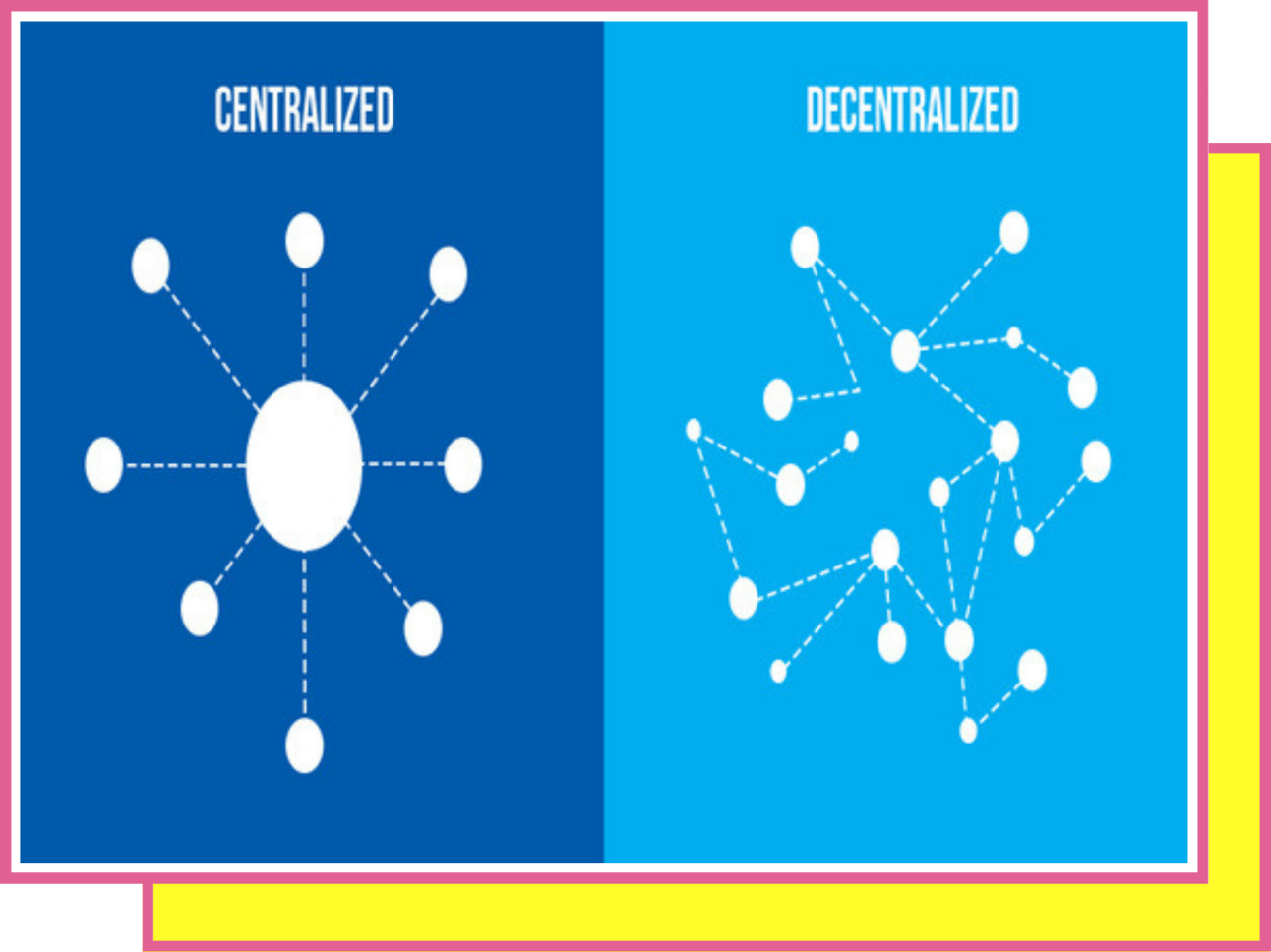
At the heart of Web 3.0 lies a fundamental principle that distinguishes it from its predecessor, Web 2.0. In the existing Web 2.0 paradigm, computers rely on HTTP and unique web addresses to locate information, typically stored at fixed locations, often on a single server. However, the essence of Web 3.0 transforms this approach by allowing information to be discovered based on its content rather than its specific location. This pivotal shift enables data to be stored simultaneously in multiple locations, heralding a decentralised era for the internet. This decentralisation stands as a departure from the centralised structures dominated by internet giants like Meta and Google, thereby empowering users with greater control over their data.
In the realm of Web 3.0, data generation stems from diverse and increasingly potent computing resources, ranging from mobile phones and desktops to various appliances, vehicles, and sensors. What sets Web 3.0 apart is its innovative approach to this data, envisioning a system where users have the agency to sell their generated data through decentralised networks. This revolutionary concept ensures that users not only contribute to the data ecosystem but also retain ownership and control over their valuable information. This user-centric model challenges the existing paradigm where large corporations often wield significant control over user-generated data.
By empowering users to participate in decentralised data networks, Web 3.0 seeks to redefine the dynamics of the digital landscape. It envisions a future where the internet is not only a space for information consumption but a collaborative environment where users actively engage with and leverage their data. This shift holds the promise of a more democratised internet, offering users not just access to information but also the ability to dictate the terms of data ownership and utilisation.
In essence, the transition to Web 3.0 represents a paradigm shift towards a more user-centric, decentralised internet. By breaking down the centralised databases of tech giants and placing data ownership back into the hands of users, Web 3.0 charts a course for a more inclusive, transparent, and user-empowered digital future.
🤣 Crox Road Memes



“Without Bitcoin, life would be a mistake.”

Visit Our Store Here 👉🏻 https://croxroad.store/