
Is Bitcoin Still Digital Gold, or Just a Belief System?


Since its creation in 2009, Bitcoin has been hailed as “digital gold,” a decentralized store of value that transcends borders and central banks. Over time, however, critics argue that Bitcoin is less a tangible asset and more a faith-based system—its value derived largely from belief and collective trust rather than intrinsic fundamentals. This raises a crucial question for investors and the global financial community: Is Bitcoin truly digital gold, or is it simply a belief system?
Table of Contents
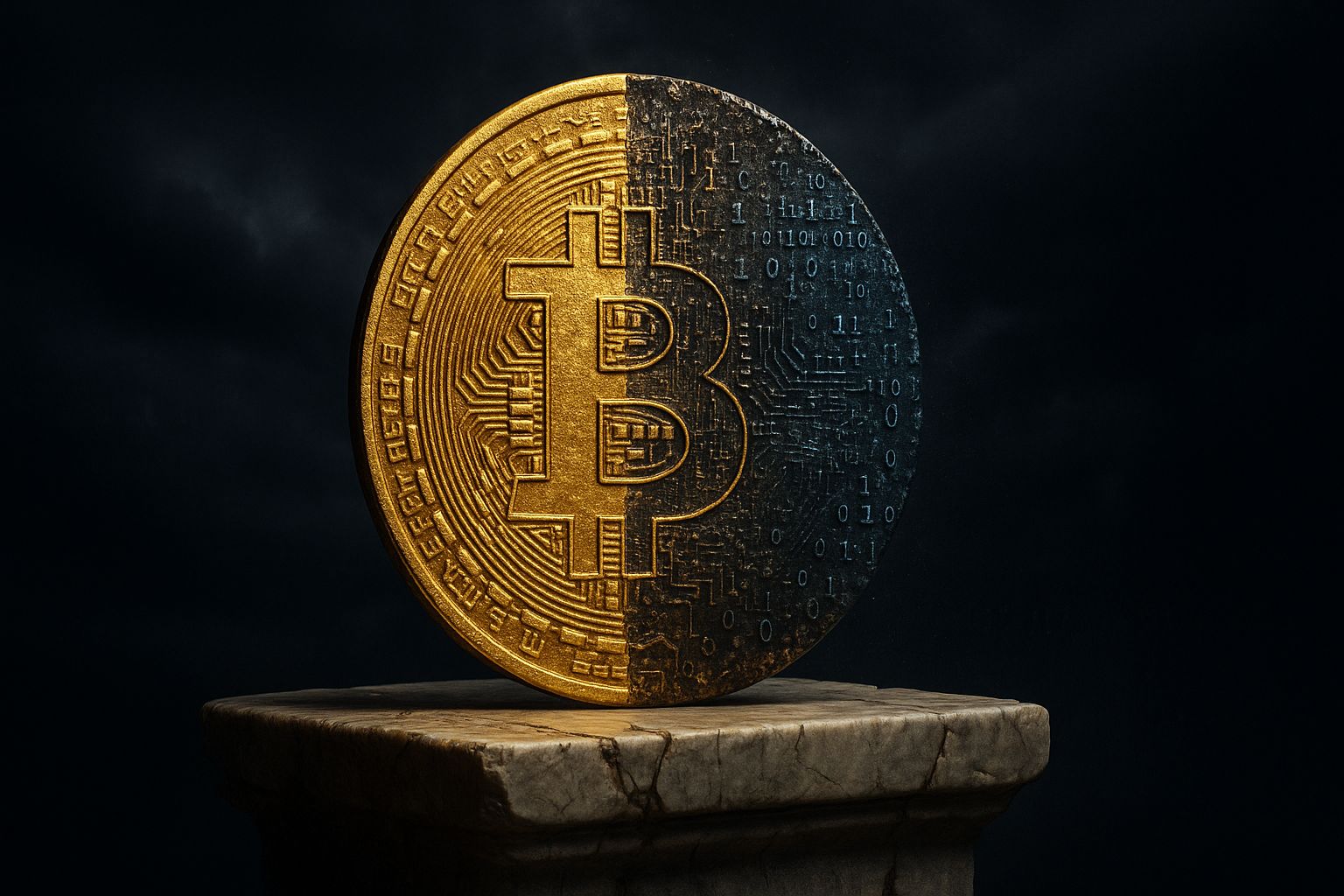
Bitcoin as Digital Gold
Store of Value Narrative
Bitcoin’s fixed supply of 21 million coins mirrors the scarcity of physical gold. This scarcity, combined with its decentralized and censorship-resistant nature, positions Bitcoin as a hedge against inflation and fiat currency debasement.
Durability and Portability
Unlike gold, Bitcoin is fully digital and can be transferred across the globe within minutes. It does not require physical storage, vaults, or costly transportation, making it more practical as a modern store of value.
Institutional Adoption
The rise of Bitcoin ETFs and corporate treasuries investing in Bitcoin reinforces the “digital gold” thesis. Institutions view it as a long-term hedge, much like how central banks stockpile gold.
The Belief System Argument
No Intrinsic Cash Flow
Unlike companies that produce goods, services, or dividends, Bitcoin doesn’t generate cash flow. Its price is not tied to productivity but to market demand and collective belief.
Shrinking Growth Multipliers
Historically, Bitcoin’s bull runs brought massive returns. But each cycle has shown diminishing multiples, suggesting that the explosive growth phase may be fading. Without perpetual expansion, Bitcoin risks being seen as a faith-driven asset rather than an evolving form of money.
Dependency on Narrative
Bitcoin’s price often reacts to narratives—“inflation hedge,” “digital gold,” or “future money.” These stories fuel demand, but they also highlight its reliance on perception more than fundamentals.
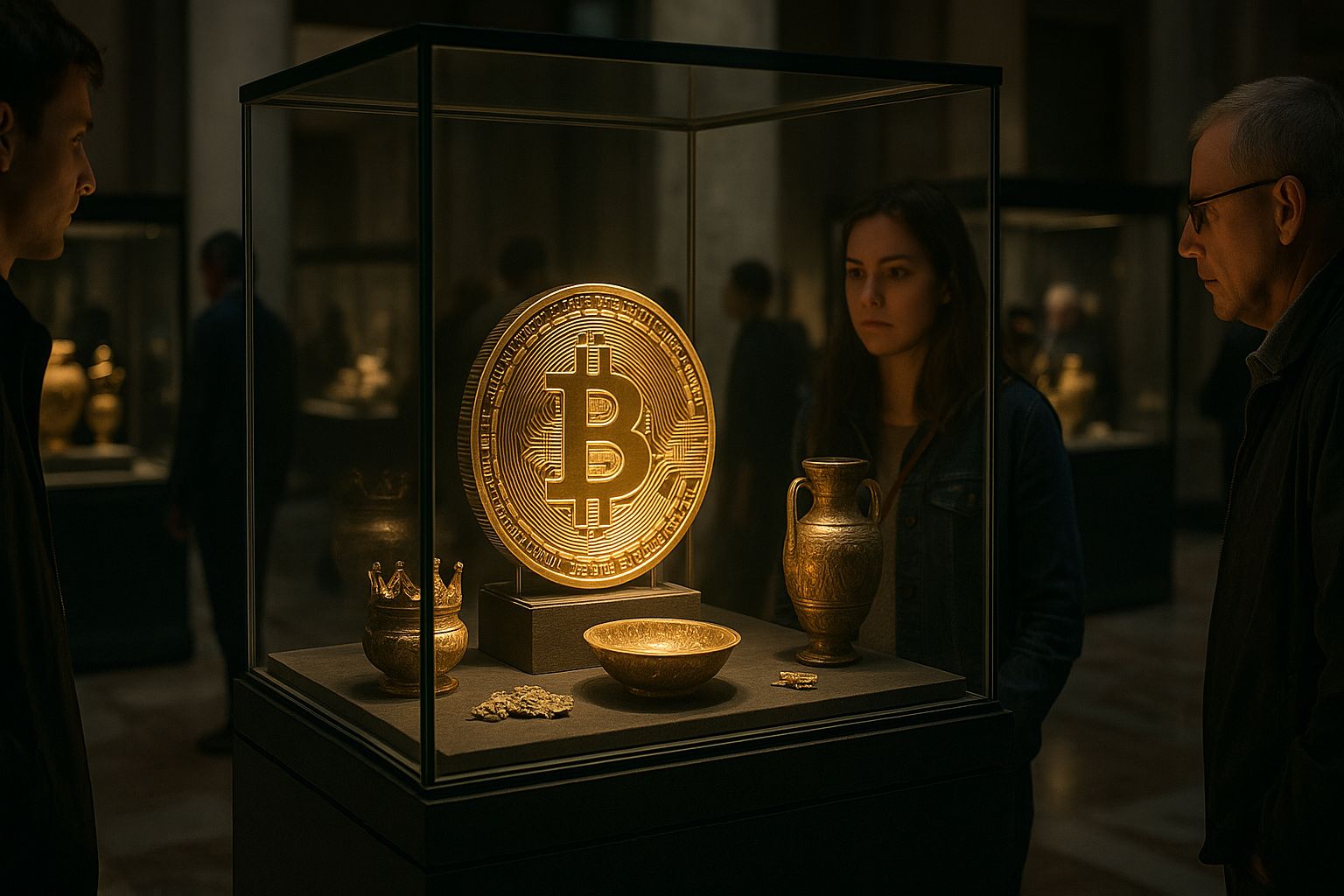
The Middle Ground: A Socially Constructed Asset
Bitcoin may be both digital gold and a belief system. Gold itself has limited industrial use compared to its market value—it is valuable because humans collectively agree it is. Bitcoin mirrors this phenomenon in the digital age.
This dual nature may define Bitcoin’s role in the future financial landscape.
Risks and Opportunities Ahead
Risks
Opportunities
Conclusion
So, is Bitcoin still digital gold—or just a belief system? The truth lies somewhere in between. Bitcoin functions as a digital store of value, but like gold, its power comes from collective trust. Whether it remains the ultimate form of digital wealth or fades into a historical experiment will depend on adoption, innovation, and the strength of its community’s belief.
For now, Bitcoin’s identity is both: digital gold backed by a belief system.
FAQs
Why is Bitcoin called digital gold?
Bitcoin is often compared to gold because of its limited supply (21 million coins), durability, and potential to act as a hedge against inflation and currency debasement.
Does Bitcoin have intrinsic value?
Bitcoin does not generate cash flow like a company or yield like a bond. Its value is largely based on demand, utility, and collective belief—similar to how gold derives value beyond its industrial uses.
Is Bitcoin just a belief system?
To some extent, yes. Like gold, Bitcoin’s value is sustained by social consensus. Its worth depends on the trust of its community, institutions, and investors rather than traditional fundamentals.
Can Bitcoin still deliver high returns?
Bitcoin has seen diminishing growth multiples in recent cycles. While large returns are possible, future gains may be more modest compared to its early explosive growth phases.
What risks does Bitcoin face in the future?
Bitcoin faces regulatory uncertainty, competition from other digital assets and CBDCs, and the long-term challenge of sustaining relevance as technology and finance evolve.