
Decoding Satoshi's Emails: The Bitcoin Energy Debate Before It Began

The advent of Bitcoin has not only revolutionized the concept of money but also introduced a new paradigm in the financial ecosystem. This digital currency, created by the enigmatic figure Satoshi Nakamoto, has sparked widespread interest, debate, and speculation since its inception. Beyond its technological and economic implications, Bitcoin has ignited a significant discourse on environmental sustainability, particularly concerning its energy consumption. The dialogue around Bitcoin's energy usage is not a recent development; it was foreseen by Satoshi Nakamoto himself. Through a series of emails with early collaborators, Satoshi delved into various facets of Bitcoin, including its potential environmental impact. These communications are not just historical artifacts; they are prescient texts that anticipated one of the most persistent critiques of the cryptocurrency.
Table of Contents
Satoshi's Anticipation of the Energy Debate
Long before mainstream media began scrutinizing Bitcoin for its energy consumption, Satoshi Nakamoto addressed the issue head-on in correspondence with early Bitcoin enthusiasts. These emails reveal a nuanced understanding of the potential challenges and criticisms Bitcoin would face. Satoshi acknowledged that Bitcoin's proof-of-work mechanism, essential for maintaining the network's security and integrity, could lead to significant energy use as the network grows. However, he also provided a comparative analysis, suggesting that when evaluated against the backdrop of the traditional financial system, Bitcoin's energy consumption could be seen in a different light. This foresight underscores Satoshi's comprehensive approach to designing Bitcoin, considering not only its technological and economic aspects but also its environmental implications.
The Traditional Banking System vs. Bitcoin
In his communications, Satoshi Nakamoto drew stark comparisons between the burgeoning Bitcoin network and the established traditional banking system. He pointed out that the global banking infrastructure, with its vast array of physical buildings, personnel, and logistical networks, consumes an enormous amount of resources. This system, deeply ingrained in societies worldwide, operates on a scale that is often overlooked when discussing energy consumption. Satoshi argued that if Bitcoin were to replace a fraction of the functions of this traditional system, the overall energy savings could be substantial. He envisioned a world where the decentralized nature of Bitcoin could lead to more efficient financial transactions, reducing the need for energy-intensive banking operations. This perspective invites us to reconsider what we value in terms of energy expenditure and to question whether the existing financial system is as energy-efficient as it could be.
The Cost-Benefit Analysis
Satoshi's reflections extend beyond mere energy consumption; they delve into the broader implications of Bitcoin's design. He posited that the energy used by Bitcoin miners, while substantial, serves multiple critical functions: securing the network, processing transactions, and creating new bitcoins. This multifaceted utility contrasts with the traditional banking system's energy usage, which is often associated with maintaining physical infrastructures and bureaucratic processes that could be deemed less efficient. Satoshi's argument is not a dismissal of the concerns regarding Bitcoin's energy consumption but rather an invitation to evaluate the trade-offs involved. He prompts us to consider the potential benefits of a decentralized, secure, and transparent financial system and to weigh these against the environmental costs. This cost-benefit analysis is crucial in understanding the complex dynamics at play in the ongoing energy debate surrounding Bitcoin.
The Ongoing Debate
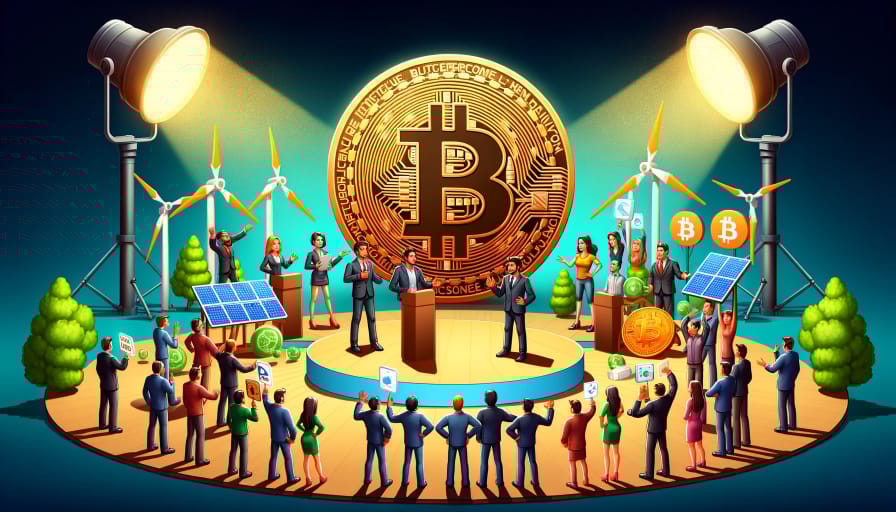
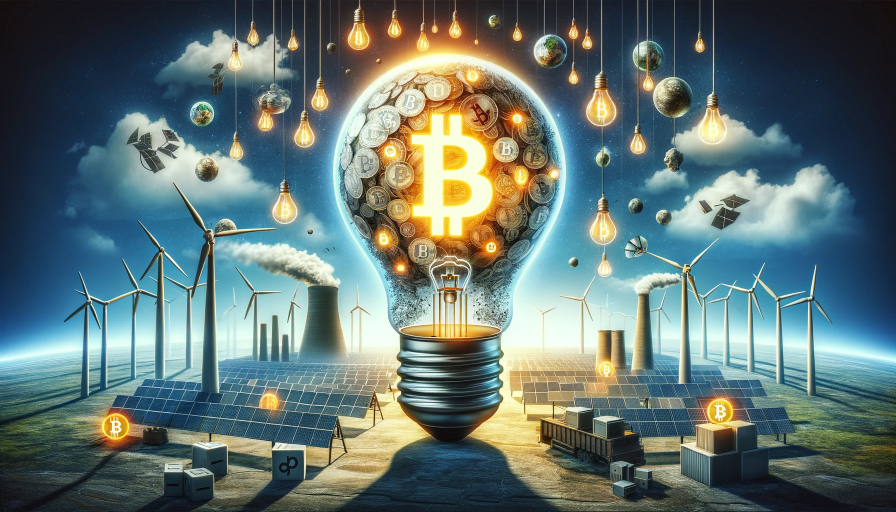
The discourse surrounding Bitcoin's energy consumption has evolved significantly since Satoshi's time. Today, the debate encompasses a wide range of perspectives, from staunch critics to ardent defenders of the cryptocurrency. Critics often highlight the carbon footprint associated with Bitcoin mining, particularly in regions where fossil fuels power the majority of energy production. On the other hand, proponents emphasize the potential for Bitcoin to drive innovation in renewable energy sources, as miners seek out cheaper, more sustainable power options. Additionally, there is a growing recognition of the need for a more nuanced conversation that considers the energy usage of Bitcoin in the context of its potential to provide financial services to underserved populations, combat inflation, and offer an alternative to unstable currencies. This ongoing debate reflects the complex interplay between technology, economics, and environmental sustainability that Satoshi Nakamoto first broached in his emails.
Conclusion
The early emails of Satoshi Nakamoto provide a fascinating glimpse into the mind of Bitcoin's creator and offer a prescient perspective on the challenges and debates that would emerge around the cryptocurrency. By examining these communications, we gain a deeper understanding of the intentions and considerations that shaped Bitcoin's development. The energy debate, as anticipated by Satoshi, remains a central issue, but it is just one part of a larger conversation about the future of finance, technology, and environmental stewardship. As we continue to navigate these complex waters, it is essential to engage in informed and balanced discussions, considering both the costs and benefits of Bitcoin and other cryptocurrencies. The journey from Satoshi's early emails to today's global discourse on Bitcoin is a testament to the enduring relevance and impact of his visionary creation.
FAQs
Who is Satoshi Nakamoto?
Satoshi Nakamoto is the pseudonymous person or group of people who created Bitcoin, the first decentralized cryptocurrency. The true identity of Satoshi remains unknown.
What is the Bitcoin energy debate?
The Bitcoin energy debate concerns the amount of electrical energy consumed by Bitcoin mining operations worldwide. Critics argue that the energy consumption is excessive and environmentally unsustainable, while proponents believe it is justified by the benefits of Bitcoin.
How did Satoshi Nakamoto anticipate the energy debate?
Satoshi Nakamoto anticipated the energy debate in early email exchanges with collaborators, discussing the potential energy consumption of Bitcoin and comparing it to the traditional banking system.
What was Satoshi's argument regarding Bitcoin's energy consumption?
Satoshi argued that even if Bitcoin consumed significant energy, it would likely be less than the energy consumed by the traditional banking system, considering the infrastructure and processes involved in conventional banking.
How does Bitcoin's energy consumption compare to that of the traditional banking system?
According to Satoshi Nakamoto, Bitcoin's energy consumption could potentially be less when compared to the overall energy used by the traditional banking system, which includes physical branches, ATMs, and other operational activities.
VISIT OUR STORE

The Best Merch For Bitcoin Maxis
Visit Crox Road Store 👉🏻 https://croxroad.store/