Dave Portnoy’s Bitcoin Doubts Echo Investor Fears Amid Market Volatility

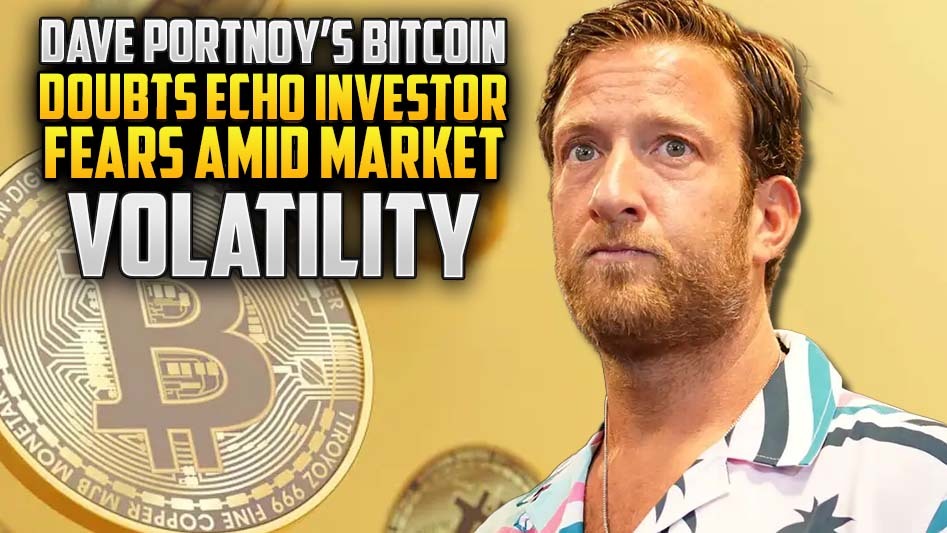
When Dave Portnoy, the outspoken founder of Barstool Sports, tweeted, “If the point of Bitcoin is to be independent of the U.S. Dollar and nonregulated, why does it basically trade exactly like the U.S. stock market nowadays?” — he gave voice to a concern shared by many retail and institutional investors alike.
His tweet came shortly after a sharp dip in Bitcoin’s price, triggered by former President Donald Trump’s announcement of new tariffs. The market response was swift: Bitcoin fell from near $88,000 to under $83,000, and the broader equities market, particularly tech-heavy ETFs like Invesco QQQ, also tumbled. More strikingly, crypto-linked stocks such as MicroStrategy, Coinbase, and Robinhood followed suit, shedding between 6% and 9% of their value.
For an asset class that once prided itself on being the outsider — unregulated, decentralized, and independent of traditional financial markets — Bitcoin’s correlation with Wall Street now raises serious questions.
Table of Contents

The Eroding Illusion of Decentralization
Bitcoin’s foundational narrative was clear: it would serve as a decentralized hedge against the centralized banking system, unaffected by geopolitical events or economic policies. Yet, recent behavior tells a different story. The cryptocurrency appears to be trading more like a high-risk tech stock than a detached, uncorrelated store of value.
Portnoy’s tweet may have been informal, but it hit a nerve precisely because it cut through the hype to a growing contradiction — one that crypto purists and casual investors can no longer ignore.
Why Bitcoin Trades Like a Stock
1. Institutional Involvement
One of the most cited reasons for this correlation is the surge of institutional money into crypto. Hedge funds, ETFs, publicly traded companies, and even legacy banks have entered the crypto space, bringing with them traditional risk frameworks and trading patterns. These players often treat Bitcoin as part of a broader risk-on/risk-off strategy, buying during bull runs and dumping in panic, just like any other asset.
2. Liquidity and Accessibility
Bitcoin is the most liquid, 24/7-traded asset in the world. As MicroStrategy’s Executive Chairman Michael Saylor put it, “In times of panic, traders sell what they can, not what they want.” For many investors, Bitcoin becomes the first asset to go when cash is needed, much like Apple stock or shares in Tesla.

3. Emotional Trading and Herd Behavior
Retail investor behavior plays a significant role, too. Crypto markets, known for their volatility, are heavily influenced by sentiment, social media trends, and quick pivots in investor psychology. When panic hits Wall Street, it tends to ripple through crypto exchanges with even more intensity.
The Investor Sentiment Shift
Many early crypto adopters championed Bitcoin as “digital gold,” a long-term store of value immune to fiat depreciation and central bank manipulation. However, market data increasingly suggests that Bitcoin is behaving less like gold and more like a growth tech stock.
This sentiment shift is critical. For retail investors looking for a safe haven, this newfound correlation may force a reevaluation of portfolio diversification strategies. For institutional players, it raises the question of whether Bitcoin is just another asset class to trade — or something more.
What This Means for the Future of Crypto
The divergence between Bitcoin’s theoretical promise and its practical performance could have lasting implications:

Conclusion
Dave Portnoy’s tweet may have been off-the-cuff, but its resonance lies in its timing. As markets grow increasingly interconnected and volatile, investors — both large and small — are asking tougher questions about what Bitcoin really is and how it should fit into their financial strategies.
The original dream of crypto may not be dead, but it is clearly being rewritten. Whether that’s for better or worse is a question that the next market cycle will likely answer.
FAQs
Why did Dave Portnoy question Bitcoin's independence?
Portnoy noticed that Bitcoin’s price movements closely mirrored the U.S. stock market, particularly following economic announcements like tariffs. This raised doubts about Bitcoin’s long-touted independence from traditional financial systems.
Is Bitcoin still a decentralized asset?
While Bitcoin’s technology remains decentralized, its market behavior is increasingly influenced by institutional investors and macroeconomic trends, which makes it behave more like traditional financial assets in practice.
Why is Bitcoin correlated with the stock market now?
Several factors contribute to this correlation, including institutional trading strategies, Bitcoin’s high liquidity, and emotional herd behavior among retail investors.
Does this correlation mean Bitcoin is no longer a good hedge against inflation or market turmoil?
It depends on your investment goals. Bitcoin’s correlation with risk assets suggests it may not serve as a reliable hedge in the short term, but some still view it as a long-term store of value.
How should investors respond to this shift?
Investors may want to reassess how they include Bitcoin in their portfolios — viewing it as a high-risk, high-reward asset rather than a traditional safe haven.
VISIT OUR STORE

The Best Merch For Bitcoin Maxis
Visit Crox Road Store 👉🏻 https://croxroad.store/