
Bitcoin: Security Sovereignty Freedom

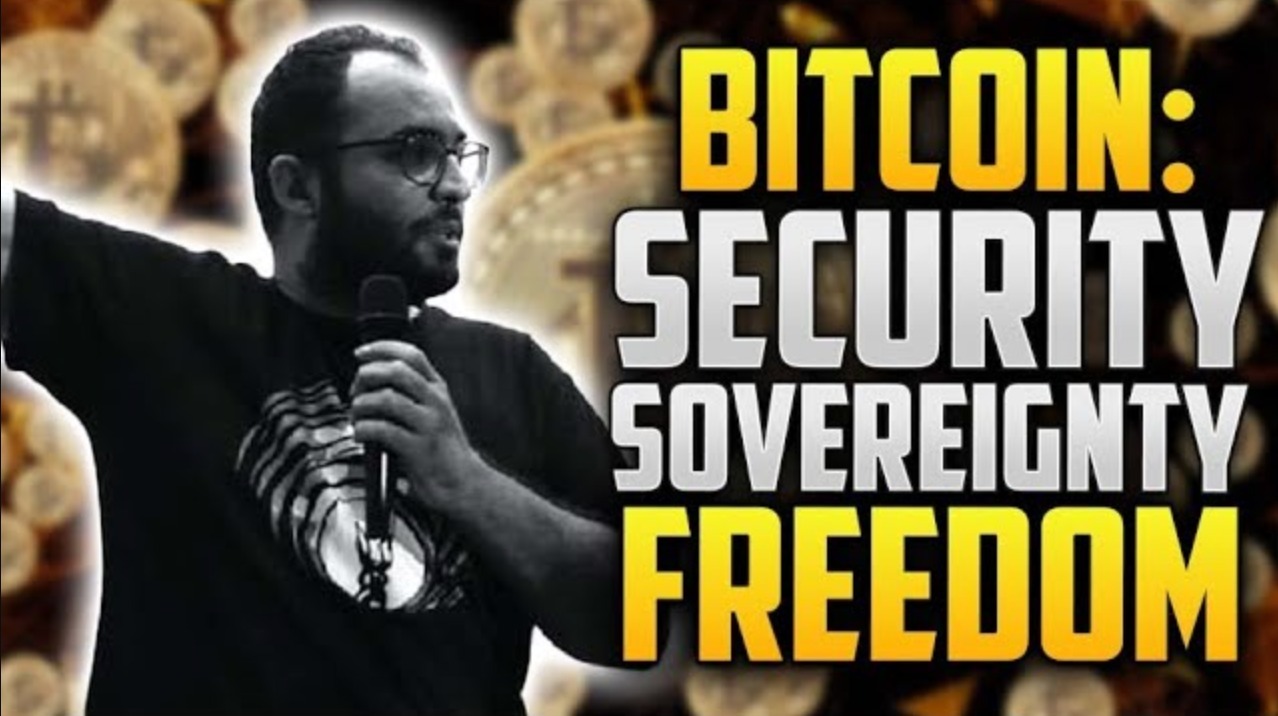
In this episode of The Bitcoin Libertarian, we sit down with Ziya Sadr, a Bitcoin educator and privacy advocate, to explore why self-custody, privacy, and sovereignty are not just ideals—they’re necessities. From his firsthand experience navigating financial restrictions in Iran to his deep involvement in wallet education and open-source hardware, Ziya offers a real-world perspective on why Bitcoin matters—and what we’re at risk of losing in the hands of institutions.
Table of Contents

From Ethereum Mining to Bitcoin Mission
Ziya didn’t begin his journey with Bitcoin. His initial spark came from building an Ethereum mining rig. But it was the SegWit user-activated soft fork debate in 2017 that drew him deep into the world of Bitcoin, where decentralization wasn’t just a technical term—it was a battleground of ideas. The consensus drama, the civil war atmosphere, and the concept of unstoppable, serverless money hooked him.
A Sovereign Educator in a Hostile Financial Climate
In Iran, Bitcoin isn’t a speculative asset—it’s a tool of resistance. With no access to global payment rails like Visa, PayPal, or Apple Pay, and with cash withdrawal limits capped at just $4 a day, Iranians face a level of financial control few in the West can imagine.
Ziya became a voice for sovereignty, offering wallet security consultations, translating major Bitcoin texts into Persian, and leading an 8,000-member Telegram group focused on Bitcoin-only education.
CoinJoin and the Right to Privacy
Ziya is a strong advocate for CoinJoin, a privacy-enhancing technique that helps users obscure their transaction history by mixing UTXOs with others. He compares it to a movie scene: a suspect runs into a crowd and changes clothes, becoming untraceable.
He emphasizes that while Bitcoin is pseudonymous, it’s still a transparent ledger—and tools like CoinJoin are essential for people living under regimes, running businesses, or simply trying to maintain financial dignity.
DIY Security: Building Your Own Hardware Wallet
Mainstream wallets like Ledger or Trezor can be effective, but they come with risks: data leaks, shipping surveillance, and firmware trust assumptions. That’s why Ziya champions open-source hardware wallets like SeedSigner and Specter DIY—projects that let users build cold storage devices using off-the-shelf electronics.
By assembling these wallets and loading open-source firmware, users can sign transactions offline and keep their private keys away from prying eyes—even in high-risk environments.

Testnets: Mistakes That Don’t Cost You
One of Ziya’s most effective teaching tools? The Bitcoin testnet. It’s a replica of the Bitcoin network where users can experiment with wallets, seed phrases, multisig setups, and even CoinJoin—all without risking real SATs.
“Before you learn to drive, you don’t hit the highway. Testnets are your parking lot.”
Ziya encourages all newcomers to burn testnet coins, try to break things, and get comfortable with the tools before using real Bitcoin.
On Custody, Institutions & the Fade of Self-Ownership
While adoption rises, Ziya warns that self-custody is fading. More users rely on exchanges, ETFs, and custodians—essentially IOUs.
“If your Bitcoin lives on an exchange, it’s not Bitcoin. It’s a promise. And promises break.”
He sees less on-chain activity and more user inertia. The result? A growing Bitcoin community that owns price exposure—but not their keys.
Vision for the Future
Ziya’s vision of Bitcoin’s future is one where privacy is default, not optional. He hopes to see trustless layer-2s that offer private transactions without compromising decentralization. But he’s realistic: hype-driven trends like inscriptions and ordinals have taken the spotlight.
“The future I want? One where you don’t have to give up your privacy to use Bitcoin.”
As for price predictions, he’s not interested. “1 BTC = 1 BTC,” he says. What matters is utility and sovereignty—not speculation.
What He’d Ask Satoshi
Given a chance to sit with Bitcoin’s creator, Ziya wouldn’t ask about design choices or regrets. Instead, he’d go deeper—into the prehistory of Bitcoin.

Conclusion
Bitcoin is not a trend. It’s not a hedge. It’s a survival tool—especially for those who live without the luxuries of stable currencies or open financial systems. Ziya Sadr’s work reminds us that Bitcoin’s true power lies in its ability to empower individuals who have been locked out, shut down, or surveilled.
If we forget that, we risk handing this revolution right back to the very institutions it was built to resist.
FAQs
Who is Ziya Sadr?
Ziya Sadr is a Bitcoin security educator and privacy advocate originally from Iran. He teaches self-custody practices, promotes open-source hardware wallets, and helps users understand Bitcoin privacy tools like CoinJoin.
What is the main theme of this podcast episode?
The episode centers around Bitcoin as a tool for security, sovereignty, and freedom. It covers self-custody, financial censorship in Iran, the risks of custodial services, and the importance of privacy.
Why is self-custody emphasized in this conversation?
Self-custody ensures users have full control over their Bitcoin without relying on third-party institutions, which can freeze funds or violate privacy—especially in countries with strict financial controls.
What is CoinJoin and why is it important?
CoinJoin is a privacy-enhancing method that mixes users’ Bitcoin transactions together, making it harder to trace individual UTXOs. It protects financial privacy and reduces surveillance risks.
What are open-source hardware wallets?
Open-source hardware wallets like SeedSigner or Specter DIY allow users to build cold storage wallets from general-purpose electronics, reducing trust in manufacturers and increasing privacy and security.
VISIT OUR STORE

The Best Merch For Bitcoin Maxis
Visit Crox Road Store 👉🏻 https://croxroad.store/