Bitcoin: Perfect Technology
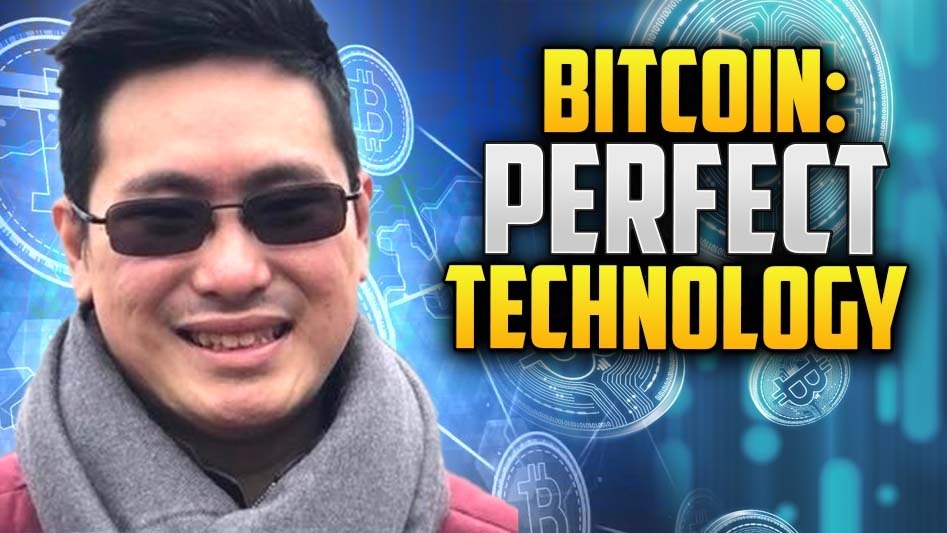
Welcome to another episode of The Bitcoin Libertarian, where we explore the intersection of liberty, technology, and the monetary revolution powered by Bitcoin. In this episode, we sit down with Drew Huang, a Singapore-based Bitcoiner, content creator, and former gold standard believer, to unpack his transformation into a Bitcoin maximalist.
Drew’s insights span personal finance, economic literacy, digital sovereignty, and even his Christian faith — all in the context of Bitcoin's revolutionary promise. From the flaws of fiat to the resilience of decentralization, this conversation is packed with practical knowledge and reflective wisdom.
Table of Contents

From Gold to Bitcoin: Drew’s Orange Pill Journey
Drew’s fascination with money began early. A simple question to his aunt about currency values led him into a 10-year journey studying macroeconomics and gold. But eventually, he found gold lacking in the digital age.
Bitcoin’s scarcity, portability, and resilience convinced Drew that it was not just another asset — it was the answer to failing fiat systems.
Understanding the Bitcoiner Mindset
Drew underscores that understanding Bitcoin isn’t just technical — it’s psychological. Adopting the “Bitcoiner mindset” means shifting from fiat consumption habits to long-term value thinking.
“When you know your asset appreciates over time, you stop spending mindlessly,” he says.
He credits Austrian economics as the intellectual framework behind Bitcoin’s appeal, rejecting Keynesianism’s flawed assumptions.
Bitcoin vs. Ethereum: Why Bitcoin Stands Alone
Drew didn’t arrive at Bitcoin without exploring the crypto landscape. But Ethereum — with its ever-changing rules, inflationary supply, and dependence on staking — failed to offer the same guarantees.
Bitcoin, with its unchangeable rules and proven resilience through events like the Block Size Wars, earned Drew’s trust.
Inflation, Fiat, and the Case for Hard Money
Discussing inflation, Drew criticizes how governments manipulate official numbers. The real problem lies in uncontrolled money printing.
He praises authors like Jeff Booth and Greg Foss, and considers books like Broken Money and The Big Print essential for understanding Bitcoin’s economic necessity.

Faith, Responsibility & Bitcoin’s Moral Framework
As a Christian, Drew finds profound alignment between Bitcoin and biblical values. For him, Bitcoin is not just technology — it's a moral tool.
He draws parallels between Bitcoin and Christian stewardship, emphasizing personal accountability and resisting moral decay brought by fiat’s easy money culture.
Bitcoin's Future: Use It or Lose It
Drew believes adoption must go beyond price speculation. For Bitcoin to succeed as money, it must be used.
He suggests using small amounts monthly — even $20 or $30 — in Bitcoin transactions as a form of peaceful protest against fiat.
Adoption Challenges in Asia: Singapore & Beyond
Living in Singapore, Drew experiences firsthand the regulatory hesitancy around Bitcoin. While the country is advanced financially, Bitcoin-only platforms are rare, and compliance with IMF-style regulations hampers adoption.
He calls for more education and responsible advocacy to close the gap.
Final Reflections: What Would You Ask Satoshi?
Drew’s parting thoughts are philosophical. If he could meet Satoshi, he’d ask:
“Why create something so fragile that could’ve failed a thousand times?”
Yet, he admits: Bitcoin’s survival through chaos may be exactly what makes it antifragile — and perhaps divine.

Conclusion
Bitcoin is more than a financial instrument — it’s a form of resistance, a moral anchor, and a peaceful revolution. Drew Huang’s journey from gold to Bitcoin illustrates not only the flaws of our current system but the immense promise that lies ahead.
As he puts it, “We are the chosen ones — until fiat screws us over.”
And to that, we say: stack sats, self-custody, and spread the signal.
FAQs
Why did Drew Huang shift from gold to Bitcoin?
After 10 years of believing in gold, Drew realized that gold was no longer viable in a digital world — it's hard to move, tax-heavy, and vulnerable to supply inflation. Bitcoin solved those problems.
What is self-custody, and why is it important?
Self-custody means holding your own Bitcoin keys. As Drew puts it, “Unlimited power comes only when you hold your own Bitcoin.” It ensures full control and independence from banks and exchanges.
What does Drew think of Ethereum and altcoins?
Drew believes Ethereum lacks the stability and trust of Bitcoin. Its changing protocols and inflationary model make it a poor store of value.
Can Bitcoin align with Christian values?
Yes. Drew sees Bitcoin as a moral tool that encourages stewardship, responsibility, and personal sovereignty — core values in Christianity.
How should someone start with Bitcoin?
Start small. Educate yourself. Use tools like hardware wallets. And remember — don’t just speculate. Use Bitcoin.
VISIT OUR STORE

The Best Merch For Bitcoin Maxis
Visit Crox Road Store 👉🏻 https://croxroad.store/